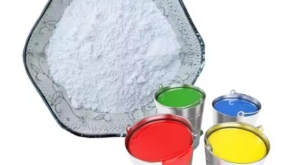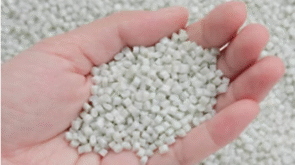
Stearic acid-coated calcium carbonate is a widely used functional filler in the plastics, rubber, and coatings industries. By modifying the surface of calcium carbonate with stearic acid, manufacturers can greatly improve its compatibility with polymers, ...
What Is Thermoplastic Paint?
Thermoplastic paint (often called thermoplastic road marking material) is a durable coating used mainly for road markings such as traffic lines, pedestrian crossings, and safety symbols on highways and city streets. Unlike traditional liquid paints, ther ...
What is Ethylene Vinyl Acetate (EVA)? Characteristics and Applications
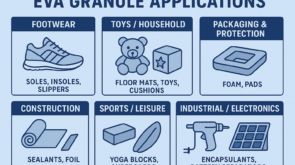
1. Introduction Ethylene Vinyl Acetate (EVA) is a versatile copolymer made from ethylene and vinyl acetate monomers. It combines the flexibility and toughness of rubber with the processability of thermoplastics, making it one of the most widely used m ...
What Types of Products Are Manufactured by Blow Molding?
1. Blow Molding: A Quick Overview Blow molding is a widely used plastic‐manufacturing process that enables the creation of hollow items from thermoplastic materials. In simple terms, molten plastic is introduced into a mold cavity and then inflated—by ...
High-Performance Precipitated Calcium Carbonate (PCC) for the Rubber Industry
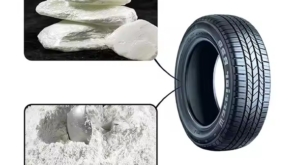
Precipitated Calcium Carbonate (PCC) from 20 Microns is a premium, high-purity synthetic mineral additive specially engineered to enhance both the performance and cost-efficiency of rubber formulations. Manufactured through precisely controlled chemical ...
The Role of Barium Sulfate in Coatings: Enhancing Performance and Appearance
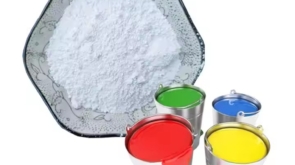
Barium sulfate (BaSO₄) is one of the most commonly used mineral fillers in the coatings industry. Known for its high density, chemical stability, and excellent whiteness, it plays an essential role in improving both the appearance and functional properti ...
The Difference Between Light Calcium Carbonate, Heavy Calcium Carbonate, and Activated Calcium Carbonate
1. Introduction Calcium carbonate (CaCO₃) is one of the most widely used mineral fillers in modern industries such as plastics, coatings, rubber, paper, and construction materials.However, not all calcium carbonate products are the same. Depending on ...
Titanium Dioxide vs Calcium Carbonate: What Makes Them Different?
In the world of industrial minerals, titanium dioxide (TiO₂) and calcium carbonate (CaCO₃) are two of the most widely used white powders. Both improve the appearance, performance, and durability of products in industries like paints, plastics, coatings, ...
Fillers in Coatings: Types, Functions, and Selection Guidelines
Coatings are primarily composed of four components: resins, pigments and fillers, solvents, and additives. They serve decorative and protective purposes, and sometimes offer specialized functionalities. Among these, fillers are crucial as they significan ...
Calcium Carbonate vs Talc: Who’s the Best Filler for Coatings and Paints?
Fillers play a critical role in the coatings and paint industry, influencing properties such as opacity, smoothness, durability, and cost-efficiency. Among the most commonly used inorganic fillers are calcium carbonate (CaCO₃) and talc, each offering uni ...
Common Inorganic Fillers Used in the Footwear Industry
Inorganic fillers are essential additives in the footwear industry, especially in materials like EVA, rubber, PU, and PVC. These fillers not only reduce production costs but also improve hardness, flexibility, compression set, and appearance of shoe sole ...
The Role of Calcium Carbonate in EVA Footwear Manufacturing
In modern footwear production, Ethylene Vinyl Acetate (EVA) has established itself as a preferred material for midsoles, outsoles, and cushioning components due to its lightweight, flexible, and shock-absorbing properties. To further enhance EVA’s perfor ...