
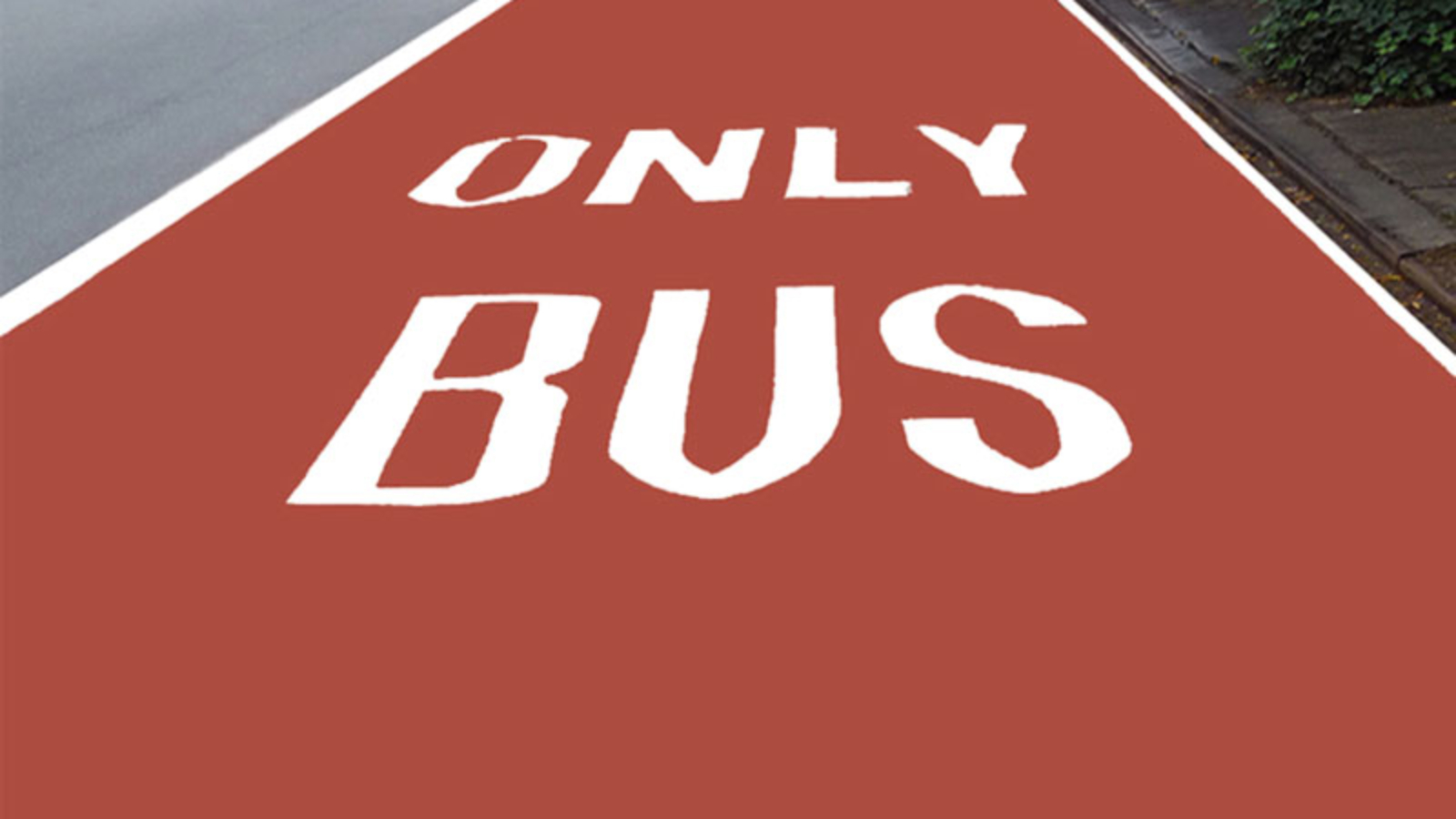
Thermoplastic paint (often called thermoplastic road marking material) is a durable coating used mainly for road markings such as traffic lines, pedestrian crossings, and safety symbols on highways and city streets. Unlike traditional liquid paints, thermoplastic paint becomes solid at normal temperatures and needs to be heated to around 180–220°C before application.
Once applied to the pavement, it cools and hardens quickly, forming a thick, highly durable layer that can withstand heavy traffic and harsh weather.
What Is Thermoplastic Paint Made Of?
Typical formulation includes:
- Thermoplastic resin (binds everything together and melts at high temperature)
- Pigments (provides color — most commonly white or yellow)
- Glass beads (improve nighttime reflectivity)
- Fillers such as calcium carbonate and talc (enhance strength and stability)
- Additives (improve flow, abrasion resistance, and anti-slip performance)
The combination ensures long-lasting visibility and excellent road safety features.
Key Advantages of Thermoplastic Paint
| Feature | Benefit |
|---|---|
| High durability | Lasts 3–6 times longer than regular solvent-based paint |
| Strong adhesion | Withstands heavy vehicle traffic |
| Retroreflectivity | Glass beads help reflect light for night visibility |
| Quick drying | Roads reopen faster after application |
| Weather resistance | Performs well in rain, heat, and cold |
| Eco-friendly | Low VOC emissions compared to traditional paints |
Where Is Thermoplastic Paint Used?


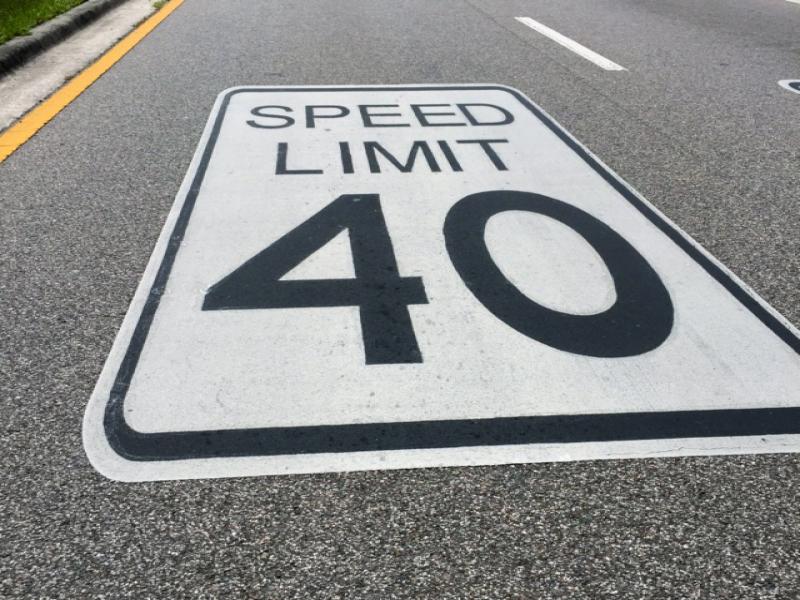
Common applications include:
- Lane lines and arrows
- Pedestrian crossings (zebra lines)
- Speed humps and school zones
- Highway edge lines
- Parking lots and bike lanes
- Safety zones in factories or warehouses
Its thickness and reflectivity help drivers see road information more clearly, reducing accidents—especially at night.
How Thermoplastic Paint Is Applied
1️⃣ Preheat and melt the material in a road marking machine
2️⃣ Apply onto cleaned pavement using a screed or extrusion system
3️⃣ Drop-on glass beads are added to the surface immediately
4️⃣ It solidifies within minutes as it cools
This process allows traffic to resume quickly — a major benefit for busy urban roads.
Thermoplastic Paint vs. Conventional Road Paint
| Property | Thermoplastic | Regular Liquid Paint |
|---|---|---|
| Durability | ⭐⭐⭐⭐⭐ | ⭐⭐ |
| Cost | Higher upfront | Lower |
| Visibility at night | Excellent | Moderate |
| Drying time | Very fast | Slower |
| Maintenance frequency | Low | High |
Although thermoplastic paint costs more initially, the long service life provides significant cost savings in the long term.
Conclusion
Thermoplastic paint plays an essential role in road safety and traffic management. Its toughness, reflectivity, and fast application make it the preferred choice for modern road marking projects worldwide. As cities continue to develop smarter and safer infrastructure, the usage of thermoplastic paint will only keep growing.
Add a Comment