
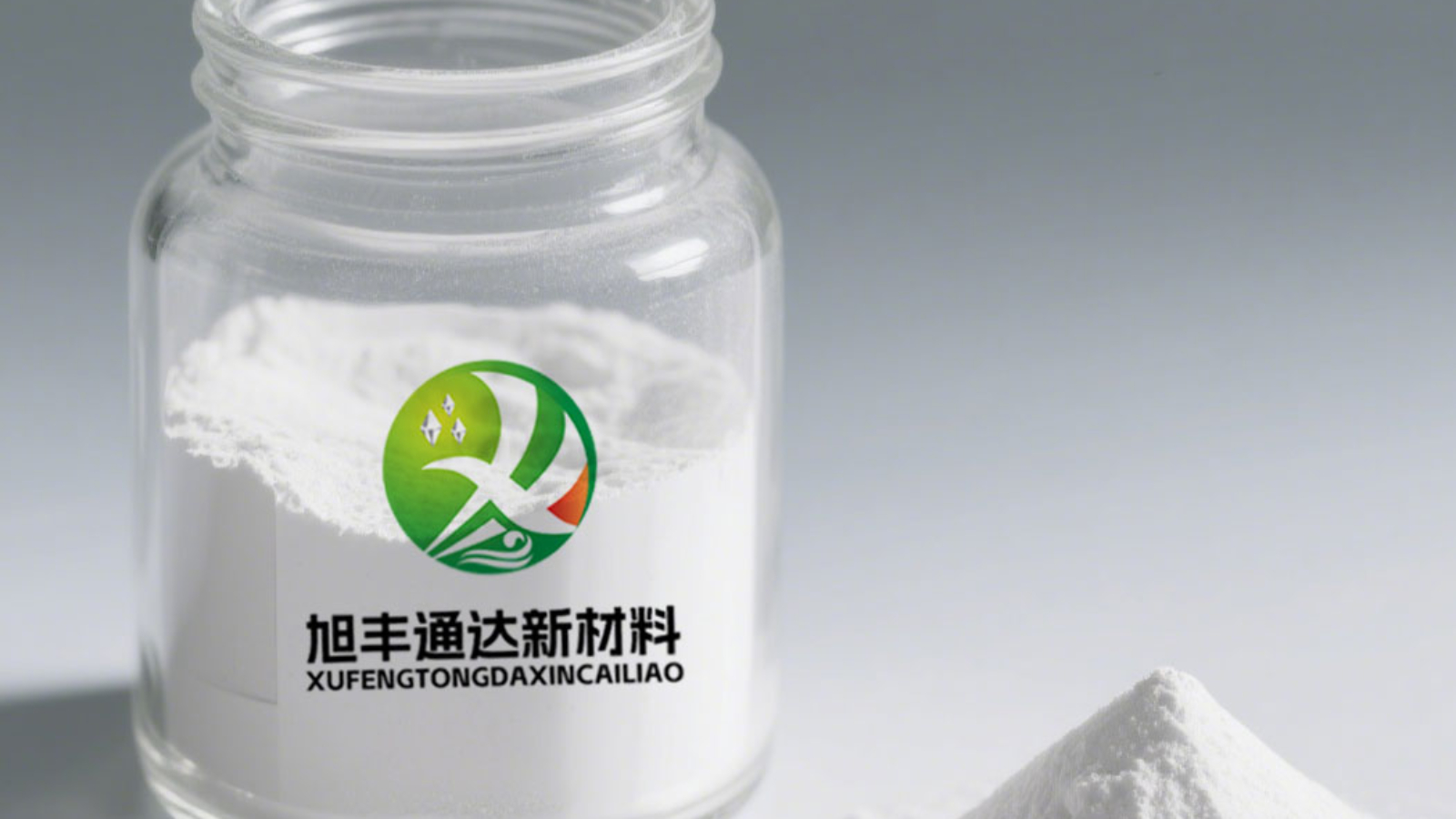
In the coatings and adhesives industry, choosing the right filler can dramatically improve performance, stability, and production efficiency. Over the past few years, one material has been gaining more attention from formulators around the world—Low Oil Absorption (Low O.A.) Active Calcium Carbonate. Compared with traditional ground CaCO₃, active CaCO₃ offers notable advantages that make it a preferred choice for high-performance applications.
One of the most significant benefits is superior sag resistance. When coatings are applied to vertical surfaces, sagging can lead to uneven thickness, surface defects, and poor final appearance. Low O.A. active CaCO₃ improves the thixotropic structure of the formulation, helping the coating stay in place while still maintaining smooth application. This feature alone makes it valuable for architectural paints, industrial coatings, and automotive finishes.
Another key advantage is the excellent film appearance it provides. Because active CaCO₃ is surface-treated, it disperses more easily and reduces flocculation. This results in cleaner, more uniform films with fewer imperfections. Better leveling performance means the coating flows naturally, reducing brush marks and enhancing the final gloss and smoothness.
Viscosity reduction is also an important factor. Traditional ground CaCO₃ often increases system viscosity, making mixing and pumping more difficult. Low O.A. active CaCO₃, however, helps lower viscosity and offers easy shear behavior, which is ideal for high-speed dispersers and automated production lines. Manufacturers can achieve faster mixing, lower energy consumption, and more consistent batches.
Storage stability is another area where active CaCO₃ stands out. Thanks to its surface treatment and low oil absorption value, it features excellent anti-settling performance, reducing hard sediment formation during storage. This helps extend the shelf life of coatings and minimizes the need for re-dispersion before use.
These combined advantages make Low O.A. Active CaCO₃ especially suitable for paints, inks, adhesives, plastics, and sealants. Whether the goal is better application performance, improved visual quality, or enhanced production efficiency, this upgraded material offers a practical and cost-effective solution.
As global manufacturers seek more stable, high-performance fillers, active CaCO₃ continues to gain traction as a reliable replacement for conventional ground calcium carbonate. For companies aiming to upgrade their formulations, exploring Low O.A. active CaCO₃ may be the next step toward achieving better product performance and higher customer satisfaction.
If you’d like technical data, formulation guidance, or sample testing support, feel free to reach out—we’re here to help.
Add a Comment