
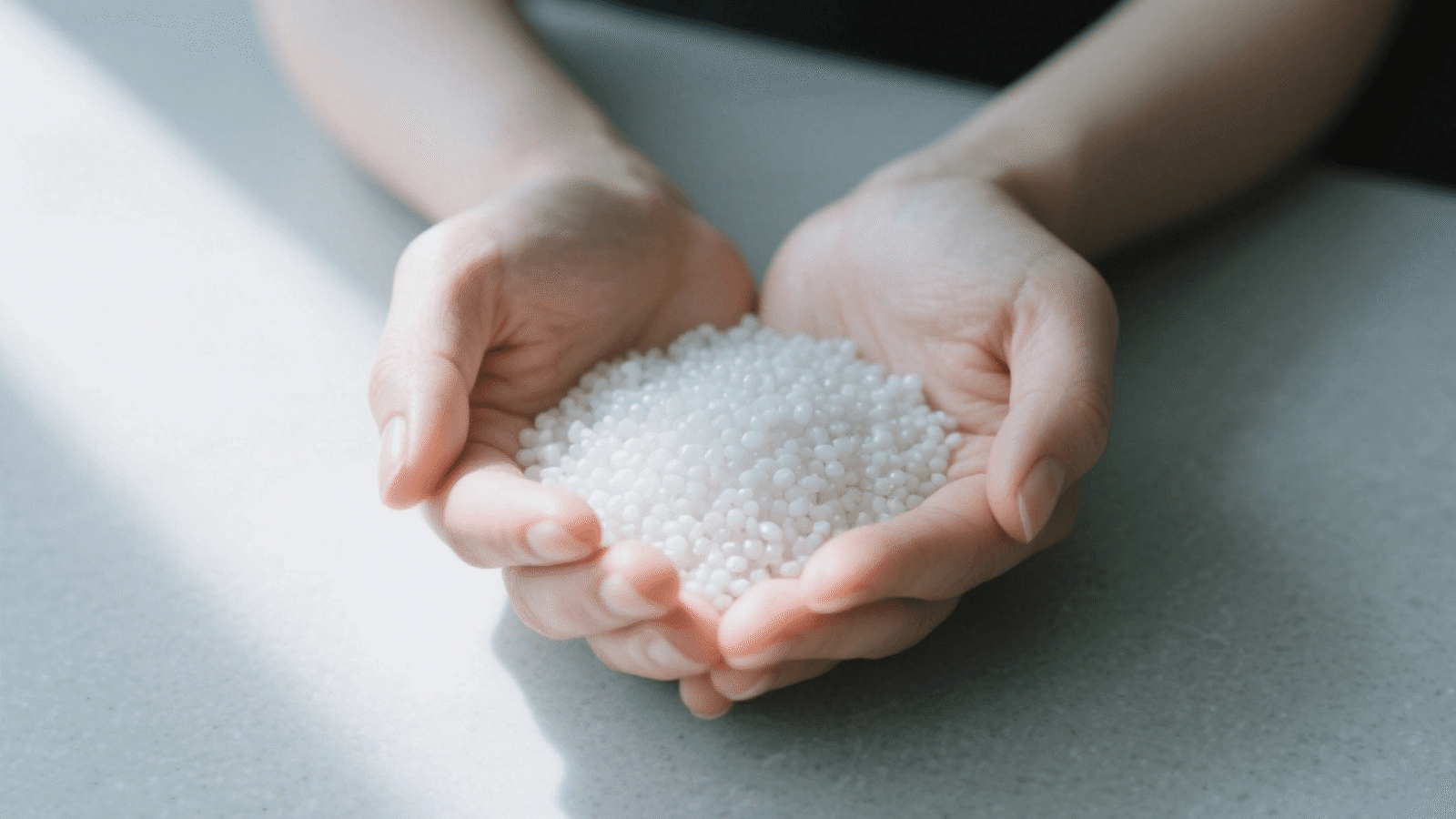
In the world of plastics and polymers, both additives and fillers are essential components used to improve material performance, reduce production costs, and customize product properties. Although the terms are sometimes used interchangeably, they refer to different types of materials with distinct functions. Understanding the difference between additives and fillers is crucial for manufacturers, formulators, and engineers working in plastics, rubber, and composite materials.
What Are Additives?
Additives are substances added to a polymer formulation in small quantities to enhance specific properties or to aid processing. They do not usually affect the bulk volume of the material but can significantly influence the plastic’s behavior, durability, and performance.
Common types of additives include:
- Stabilizers – Prevent degradation from heat, light, or oxygen.
- Plasticizers – Improve flexibility and reduce brittleness.
- Flame retardants – Enhance fire resistance.
- Colorants – Provide color and aesthetic appeal.
- Antioxidants – Extend the life of the polymer by reducing oxidation.
- Processing aids – Improve flow, mold release, or reduce friction during manufacturing.
These additives are carefully selected based on the desired properties of the final product and are often used in small concentrations (typically less than 5%).
What Are Fillers?
Fillers, on the other hand, are materials added in larger quantities—sometimes up to 50% or more—to reduce the cost of the final product or improve mechanical properties like stiffness, hardness, or dimensional stability.
Common fillers include:
- Calcium carbonate
- Talc
- Clay
- Glass fibers
- Silica
Fillers are generally inexpensive compared to the base polymer, making them ideal for cost reduction. Additionally, certain fillers can enhance physical properties. For example, glass fiber can significantly increase the strength of a plastic part, while mineral fillers like calcium carbonate can improve rigidity.
Key Differences Between Additives and Fillers
| Feature | Additives | Fillers |
|---|---|---|
| Purpose | Enhance properties or processing | Reduce cost and modify bulk properties |
| Usage level | Low (usually <5%) | High (up to 50% or more) |
| Examples | UV stabilizers, plasticizers | Calcium carbonate, talc, glass fiber |
| Impact on material | Alters function or performance | Alters mechanical structure or cost |
Conclusion
While both additives and fillers are essential in polymer processing, they serve different purposes. Additives modify the chemical or physical behavior of a polymer, often improving performance or ease of manufacturing. Fillers mainly modify the bulk characteristics or reduce material costs. Understanding the right balance and selection of these components is key to producing high-quality, cost-effective plastic products for a wide range of industries.
Add a Comment