
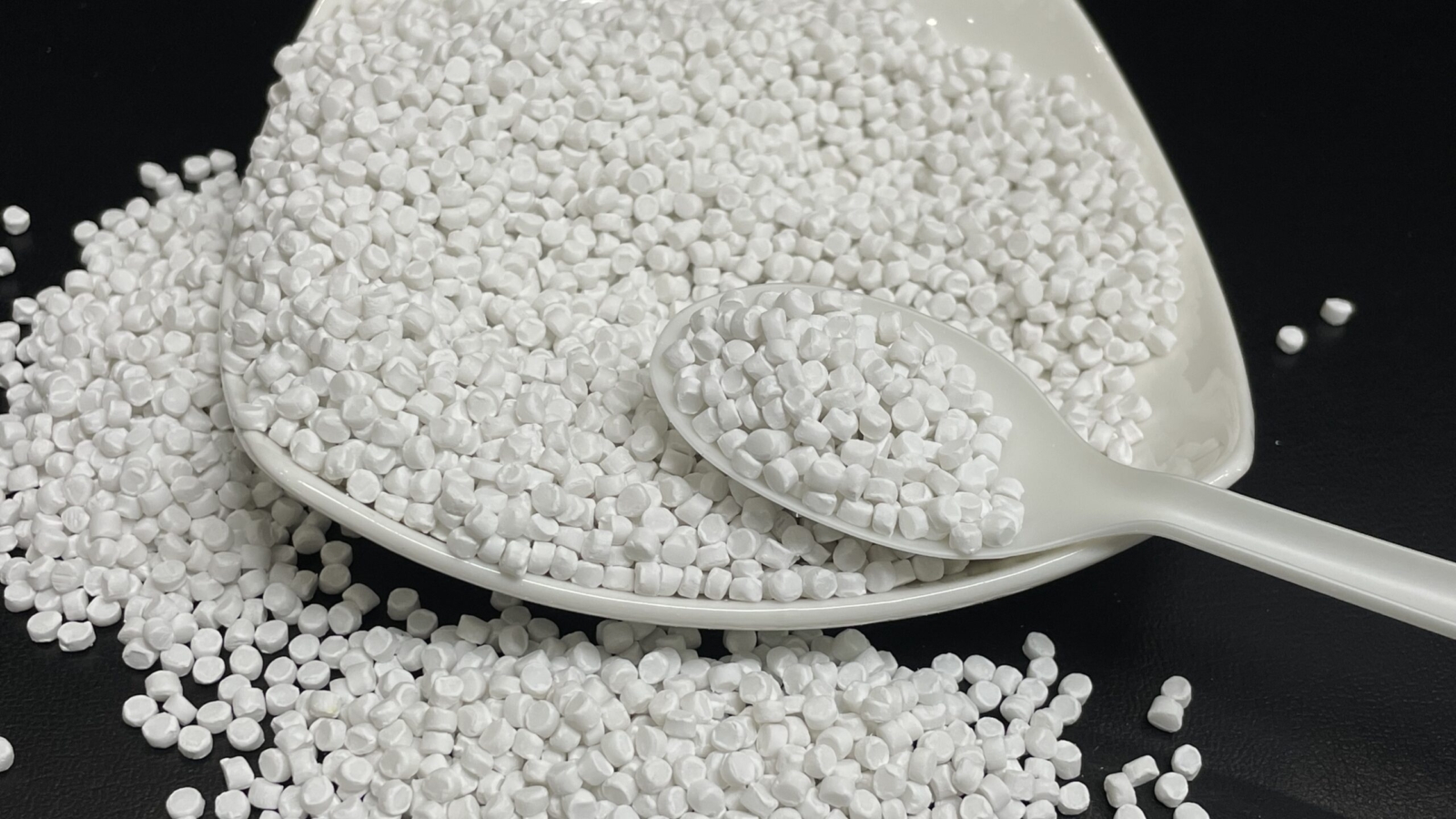
Taical is a functional mineral material concept that combines the performance advantages of talc (magnesium silicate) and calcium carbonate (CaCO₃). The name “Taical” is derived from Talc + Calcium, reflecting its core idea: delivering balanced, cost-effective, and performance-enhancing mineral solutions for a wide range of industrial applications.
Rather than referring to a single chemical substance, Taical represents a category or formulation strategy widely used in plastics, rubber, coatings, adhesives, ceramics, and related industries.
The Core Components of Taical
1. Talc (Magnesium Silicate)
Talc is known for its:
- Plate-like crystal structure
- Excellent heat resistance
- High dimensional stability
- Improved stiffness and scratch resistance
In plastics and coatings, talc enhances rigidity, reduces thermal deformation, and improves surface appearance.
2. Calcium Carbonate (CaCO₃)
Calcium carbonate offers:
- High whiteness and brightness
- Good dispersibility
- Cost efficiency
- Improved bulk and opacity
It is widely used as a filler to optimize formulation cost while maintaining consistent physical properties.
What Makes Taical Different?
Taical combines the reinforcing function of talc with the filling and whitening benefits of calcium carbonate, creating a more versatile material solution than using either mineral alone.
Key advantages of Taical include:
- Balanced mechanical performance
Improves stiffness without excessive brittleness. - Enhanced processing efficiency
Better flowability and dispersion during extrusion, injection molding, or coating production. - Cost optimization
Achieves target performance at a lower overall formulation cost. - Customizable formulations
Particle size, surface treatment, and talc-to-calcium ratios can be adjusted based on application needs.
Applications of Taical
Taical materials are commonly used in:
- Plastics
Automotive interior and exterior parts, household appliances, packaging, pipes, and profiles. - Rubber
Improving dimensional stability and surface smoothness. - Coatings & Paints
Enhancing opacity, matting effect, anti-settling properties, and film strength. - Adhesives & Sealants
Improving viscosity control and mechanical balance. - Ceramics & Building Materials
Enhancing structural consistency and surface quality.
Modified Taical: Higher Performance Options
To meet higher-end industrial requirements, Taical can be surface-modified using silane, stearic acid, or other coupling agents. Modified Taical offers:
- Lower oil absorption
- Improved compatibility with polymer systems
- Better dispersion and reduced agglomeration
- Enhanced final product appearance
This makes modified Taical particularly suitable for automotive plastics, high-end coatings, and engineered polymer compounds.
Why Taical Matters in Today’s Manufacturing
As industries face rising raw material costs and increasing performance demands, Taical provides a smart material solution—not just a filler, but a functional component that enhances both performance and cost efficiency.
For manufacturers seeking stable quality, flexible formulation design, and scalable supply, Taical has become an increasingly popular choice.
Conclusion
Taical is more than a name—it represents a functional mineral solution strategy built on the synergy of talc and calcium carbonate. With its balanced properties, wide applicability, and customization potential, Taical plays an important role in modern industrial manufacturing.
Add a Comment