
In the world of plastic manufacturing, filler masterbatch plays a crucial role in balancing cost, performance, and processing efficiency. It is one of the most widely used additives in the plastic industry — helping manufacturers produce high-quality, durable, and affordable plastic products.
🧩 What Is Filler Masterbatch?
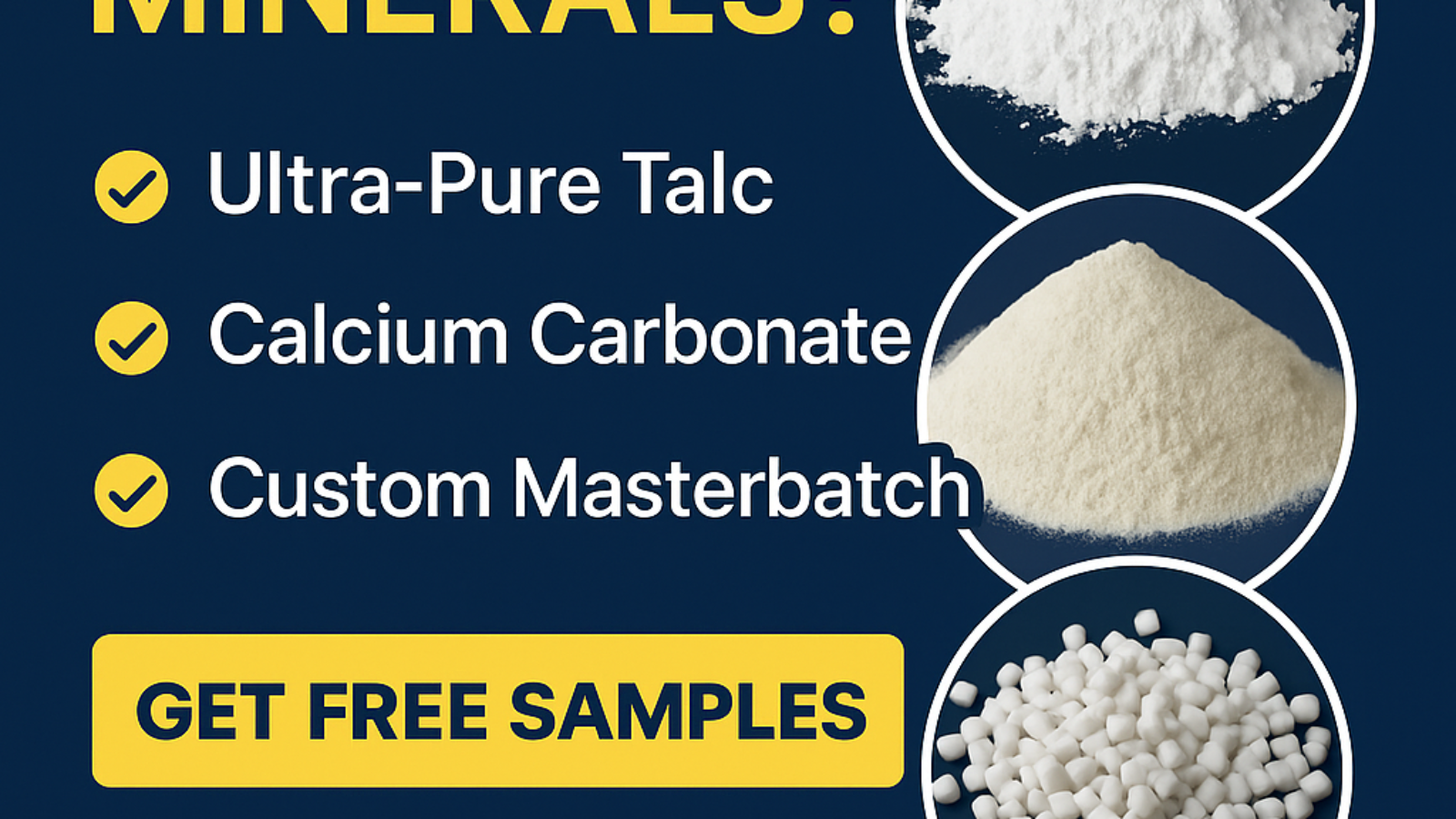
A filler masterbatch is a concentrated mixture of inorganic fillers, such as calcium carbonate (CaCO₃), talc, barium sulfate, or silica, blended with a carrier resin like PE, PP, or PS, and a special dispersing agent.
It is produced through a compounding and extrusion process that ensures the filler is evenly dispersed in the carrier resin, forming granular pellets. These pellets are then mixed directly with virgin plastic during film blowing, injection molding, extrusion, or other processes.
In simple terms, filler masterbatch is a ready-to-use formula that allows processors to add mineral fillers to plastics easily while maintaining good mechanical and surface properties.
⚙️ Key Components of Filler Masterbatch
- Inorganic Filler:
- Common options include calcium carbonate, talc, or barium sulfate.
- Improves rigidity, dimensional stability, and heat resistance.
- Carrier Resin:
- Usually polyethylene (PE) or polypropylene (PP) to ensure good compatibility with base material.
- Dispersant / Additive:
- Enhances the distribution of filler particles and prevents agglomeration.
💡 Main Advantages of Using Filler Masterbatch
✅ Cost Reduction – Replacing part of expensive virgin polymer with cheaper fillers significantly reduces material costs.
✅ Improved Processability – Enhances melt flow, reduces shrinkage, and stabilizes extrusion output.
✅ Better Mechanical Properties – Increases stiffness, hardness, and dimensional stability.
✅ Enhanced Surface Finish – Provides smoother surfaces and improved printability.
✅ Environmental Benefit – Lowers resin consumption and energy usage during production.
🏭 Applications Across Industries
Filler masterbatch is widely used in:
- Plastic Film: Shopping bags, garbage bags, agricultural films
- Injection Molding: Household items, containers, toys, furniture parts
- Extrusion Products: Pipes, sheets, cables, and woven sacks
- Blow Molding: Bottles, tanks, and packaging containers
It’s an essential ingredient for manufacturers who aim to reduce costs without compromising quality.
🌍 Types of Common Filler Masterbatch
- Calcium Carbonate Masterbatch – Most popular, ideal for PP and PE products
- Talc Masterbatch – Provides excellent heat resistance and smooth surface
- Barium Sulfate Masterbatch – Offers high density and opacity for specialized uses
- Silica or Kaolin Masterbatch – Improves barrier and anti-blocking properties
🔬 The Future of Filler Masterbatch
As sustainability becomes a global priority, modern filler masterbatch is evolving to include eco-friendly fillers, bio-based carriers, and recycled resins.
Manufacturers are also focusing on nano-filler technologies, which can further enhance material strength and reduce usage rates.
✅ Conclusion
Filler masterbatch is much more than a cost-saving additive — it’s a key enabler of material innovation in today’s plastics industry.
By optimizing the balance between economy, functionality, and sustainability, filler masterbatch continues
SEO Keywords:
filler masterbatch, calcium carbonate masterbatch, talc masterbatch, plastic additives, plastic filler, PP filler, PE filler, masterbatch for film, plastic compounding, cost reduction in plastics
Add a Comment