
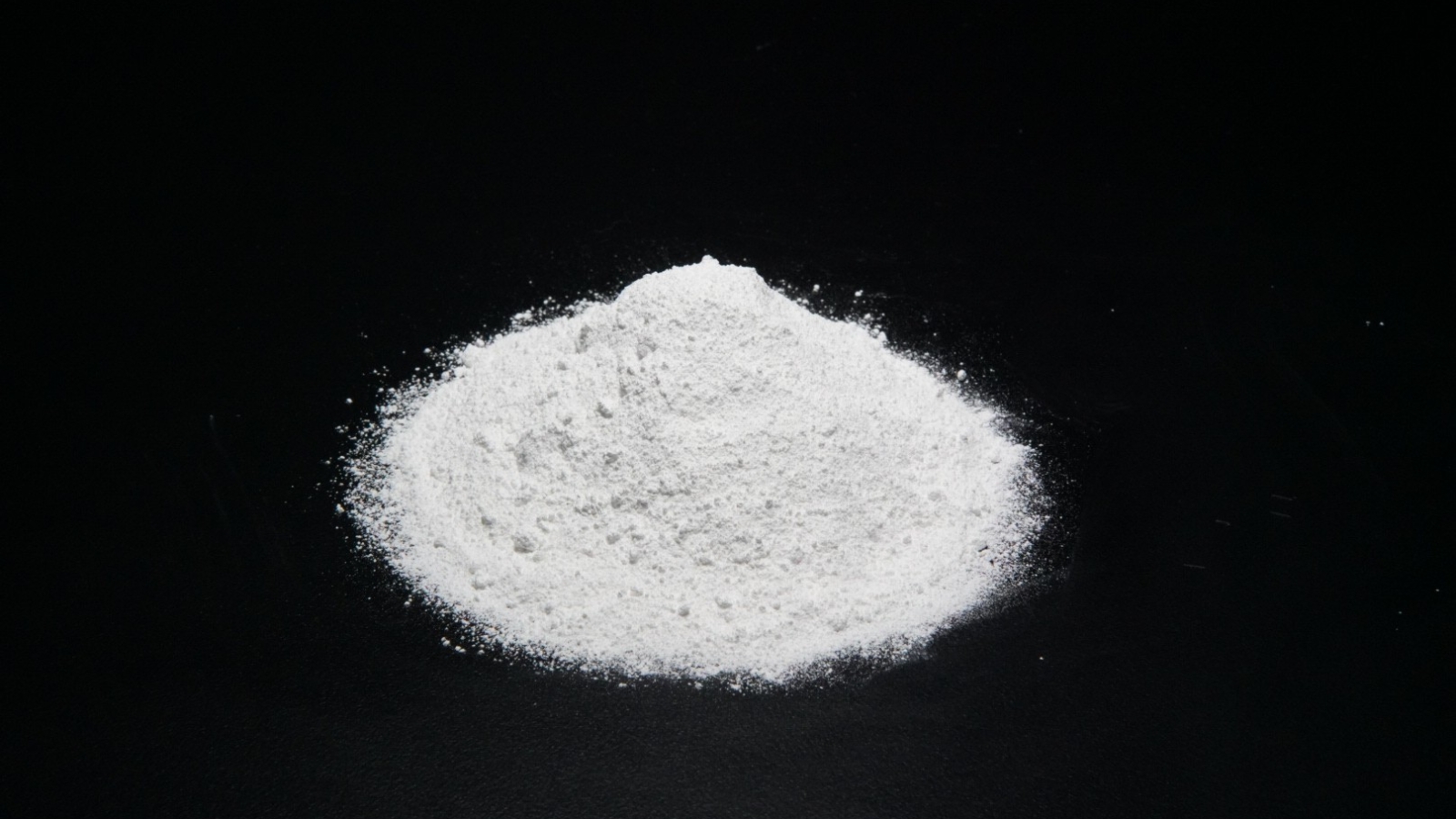
Calcium carbonate (CaCO₃) is one of the most widely used minerals on earth. It is a naturally occurring compound made up of calcium, carbon, and oxygen. Found in rocks such as limestone, marble, and chalk, calcium carbonate plays a crucial role in many industrial, environmental, and everyday applications.
Key Properties of Calcium Carbonate
Calcium carbonate is known for its high purity, whiteness, and stability. It is non-toxic, odorless, and chemically inert under most conditions. These properties make it a highly versatile material used across various industries. It also has a fine particle size and excellent dispersibility, which makes it ideal as a functional filler in many products.
Common Uses of Calcium Carbonate
One of the major uses of calcium carbonate is in the plastics industry, where it serves as a filler to improve stiffness, reduce production costs, and enhance surface finish. It is widely added to PVC pipes, plastic films, and injection-molded products.
In the paper industry, calcium carbonate is used as a coating and filler material. It improves brightness, opacity, and smoothness, helping manufacturers produce high-quality, printable paper.
The paint and coatings industry also relies on calcium carbonate for its whiteness and ability to act as an extender. It enhances durability, reduces oil absorption, and provides a consistent finish.
In rubber manufacturing, calcium carbonate is used to reinforce strength and flexibility. It also improves processing efficiency and reduces the cost of raw materials.
Other Industrial Applications
- Construction: Calcium carbonate is a key component in cement and concrete production. It helps improve strength and longevity.
- Agriculture: Used as a soil conditioner and animal feed additive to provide essential calcium for healthy growth.
- Pharmaceuticals: It serves as a calcium supplement and antacid in tablets and powders.
- Environmental Use: Calcium carbonate is used in water treatment and flue gas desulfurization to remove impurities.
Why Is Calcium Carbonate in High Demand?
The global demand for calcium carbonate continues to grow due to its broad applicability and cost-effectiveness. It is sourced naturally and is available in both ground calcium carbonate (GCC) and precipitated calcium carbonate (PCC) forms. GCC is mechanically ground from natural sources, while PCC is synthetically produced with precise control over particle size and shape.
Conclusion
Calcium carbonate is more than just a basic mineral—it’s a high-performance material that supports a wide range of industries. From plastics and paints to agriculture and construction, it plays a silent yet powerful role in modern manufacturing and environmental protection. As industries continue to seek sustainable and efficient raw materials, calcium carbonate remains a top choice.
Add a Comment