
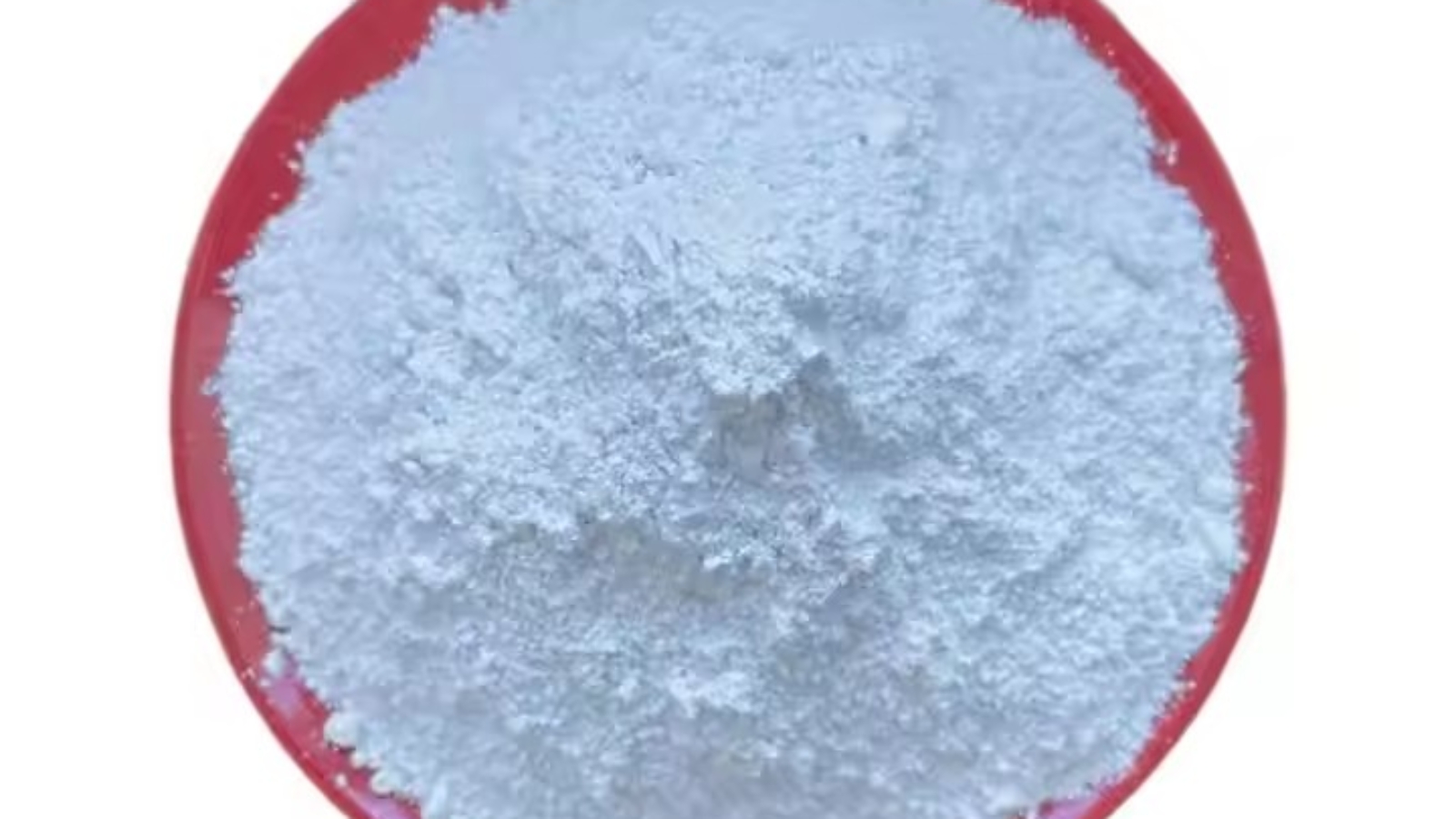
Calcium carbonate is one of the most widely used mineral fillers in modern industries. Among its different forms, active calcium carbonate (ACC) has gained special attention because of its improved performance compared to ordinary ground calcium carbonate (GCC). Many manufacturers in plastics, rubber, paints, adhesives, and even paper prefer active calcium carbonate due to its higher compatibility, better dispersion, and ability to enhance product quality while reducing production costs.
Definition of Active Calcium Carbonate
Active calcium carbonate refers to surface-modified calcium carbonate particles. The base material is natural calcium carbonate, usually obtained from high-purity limestone. During production, the surface of calcium carbonate is treated with a coupling agent such as stearic acid or titanate. This treatment changes the surface properties from hydrophilic (water-attracting) to lipophilic (oil-attracting), making the particles easier to bond with polymers and organic materials.
In other words, ACC is not just calcium carbonate powder – it is calcium carbonate engineered for higher performance.
Key Properties of Active Calcium Carbonate
- Better Dispersion – The surface treatment prevents agglomeration, so the particles spread more evenly in polymers or coatings.
- Improved Compatibility – ACC has stronger bonding with organic resins, rubber, and plastic matrices, resulting in more durable products.
- Enhanced Processing – It reduces viscosity in plastic processing, improving flowability and reducing energy consumption.
- Increased Filler Loading – Manufacturers can use a higher percentage of ACC without sacrificing product quality, lowering overall costs.
- Moisture Resistance – Surface modification reduces water absorption, which is especially important in outdoor applications.
Applications of Active Calcium Carbonate
Thanks to its unique performance, active calcium carbonate is widely applied in many industries:
- Plastics and Polymers – ACC is used in PVC pipes, profiles, films, and injection molding. It enhances toughness, reduces shrinkage, and lowers costs.
- Rubber Industry – In tires, hoses, and rubber sheets, it improves strength, elasticity, and wear resistance.
- Paints and Coatings – ACC ensures smooth dispersion, better coverage, and weather resistance, making paints last longer.
- Adhesives and Sealants – It strengthens bonding and improves the stability of adhesive formulations.
- Paper Industry – While less common than GCC or PCC, some high-end paper products benefit from ACC’s improved surface performance.
Benefits for Manufacturers
Using active calcium carbonate offers both technical and economic advantages:
- Cost Reduction – As a filler, it reduces the need for expensive raw materials like resins and rubber.
- Product Quality Improvement – End products gain higher strength, better surface finish, and longer durability.
- Efficiency in Production – Improved processing properties save energy and time during manufacturing.
Conclusion
Active calcium carbonate is more than just a mineral filler. It is a functional additive that combines the natural benefits of calcium carbonate with enhanced performance from surface modification. By improving dispersion, compatibility, and processing efficiency, ACC plays an essential role in plastics, rubber, paints, and many other industries.
For manufacturers looking to balance cost efficiency with high product quality, active calcium carbonate is a smart choice and an important material for the future of industrial applications.
Add a Comment