
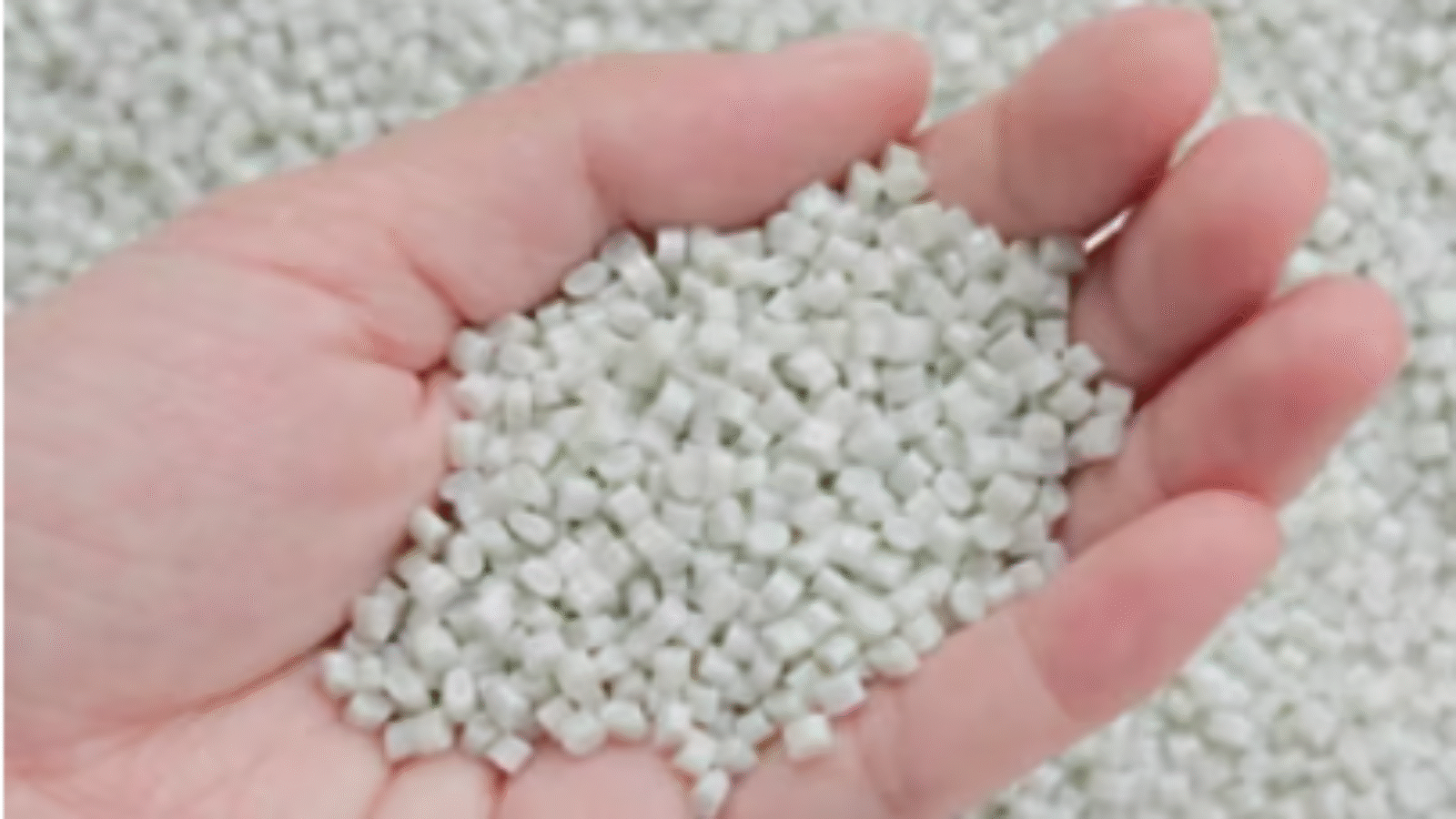
In the world of plastics manufacturing, achieving the right balance between performance and cost-efficiency is crucial. One solution widely adopted by manufacturers is the use of filler masterbatches. But what exactly is a filler masterbatch, and why is it so important in the industry?
A filler masterbatch is a concentrated mixture of fillers and additives dispersed in a polymer carrier. This mixture is designed to be added to virgin or recycled polymers during the manufacturing process. The primary purpose of a filler masterbatch is to enhance specific properties of plastic products, such as mechanical strength, thermal stability, surface finish, and dimensional stability, while also reducing overall production costs.
Common fillers used in these masterbatches include calcium carbonate, talc, silica, and kaolin. Each filler serves a distinct purpose. For example, calcium carbonate improves rigidity and impact resistance, while talc enhances stiffness and heat resistance. Manufacturers can select the type and concentration of filler according to the end-use requirements of their products.
One of the biggest advantages of using a filler masterbatch is its ability to reduce material costs. By partially replacing expensive polymer with low-cost fillers, manufacturers can produce high-quality plastic products more economically. Additionally, filler masterbatches can improve processing efficiency. The uniform dispersion of fillers prevents agglomeration and ensures consistent performance across production batches.
Filler masterbatches are also widely used to improve the surface quality of plastic products. For instance, they can reduce warping, enhance gloss, and improve the overall appearance of molded items. This makes them particularly valuable in industries like packaging, automotive, construction, and consumer goods, where both aesthetics and durability matter.
Another key benefit is environmental sustainability. By incorporating fillers into plastics, manufacturers can lower the consumption of virgin polymers. This reduces the environmental impact of production while maintaining product performance. Furthermore, some filler masterbatches are designed to be compatible with recycled plastics, supporting circular economy initiatives.
When selecting a filler masterbatch, it is important to consider factors such as filler type, loading percentage, particle size, and compatibility with the polymer matrix. Working with a trusted supplier ensures the masterbatch delivers consistent quality, tailored properties, and reliable performance in the final product.
In summary, a filler masterbatch is more than just a cost-saving tool. It is a versatile additive that improves mechanical, thermal, and aesthetic properties of plastics. Its applications span multiple industries, from automotive parts to packaging materials. By optimizing both performance and cost, filler masterbatches have become an essential component in modern plastic manufacturing.
Add a Comment