
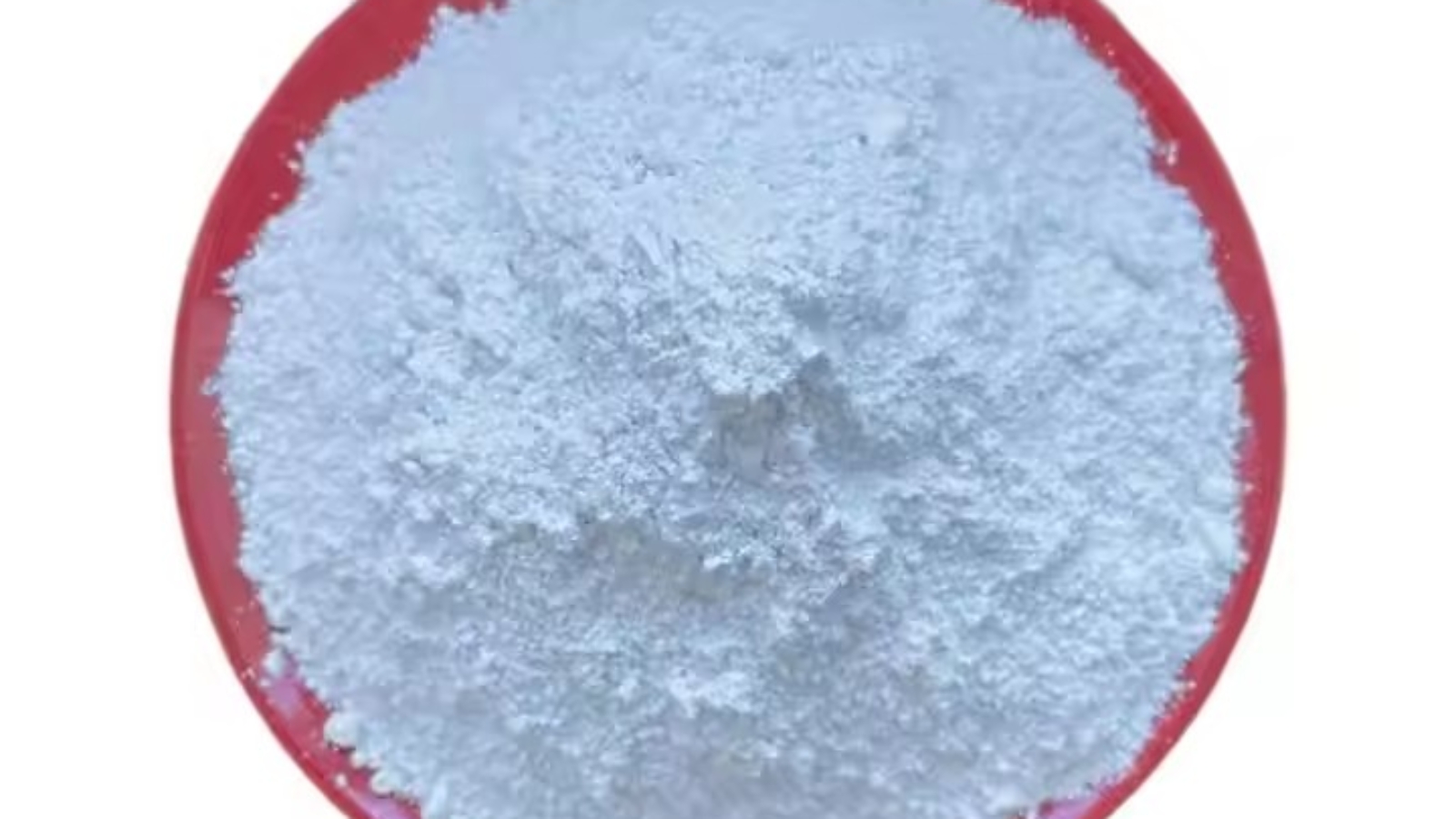
Calcium carbonate (CaCO₃) is widely used as a functional filler in plastic housings for home appliances such as washing machines, air conditioners, refrigerators, vacuum cleaners, and small kitchen devices. As manufacturers push for stronger, lighter, and more cost-efficient materials, calcium carbonate has become an essential ingredient in improving both the performance and appearance of appliance exterior components.
One of the main advantages of calcium carbonate is its ability to enhance stiffness and dimensional stability in polymers such as PP, ABS, and PVC. Home appliance housings must maintain their shape under mechanical stress, temperature changes, and daily handling. CaCO₃ improves rigidity without significantly increasing weight, ensuring that parts stay flat, strong, and resistant to deformation over time.
Calcium carbonate also plays a key role in improving the surface quality of appliance shells. Its fine particle size helps create smoother, more uniform surfaces that enhance paint adhesion, reduce visible defects, and give housings a cleaner, more premium appearance. This is especially important for white goods where aesthetic consistency is a major selling point.
Another important benefit is improved heat resistance. During operation, appliances generate heat that can affect the structural performance of plastic components. Calcium carbonate helps raise the heat-deflection temperature, making housings more stable and reliable when exposed to warm environments or internal temperature fluctuations.
Cost efficiency is another factor driving the use of CaCO₃. By partially replacing resin, manufacturers can reduce material costs without sacrificing mechanical strength or durability. High-purity, ultra-fine calcium carbonate allows for high loading levels while maintaining good impact performance—an important balance for large appliance parts.
In addition, calcium carbonate improves processing efficiency. It enhances melt flow, reduces shrinkage, and helps prevent warping during injection molding. These improvements lead to faster production cycles, fewer defects, and more consistent quality in mass manufacturing.
Overall, calcium carbonate contributes to stronger, smoother, more heat-stable, and cost-effective appliance housings. As the home appliance industry continues to grow and products evolve toward lighter and more durable designs, CaCO₃ will remain a key material in delivering reliable and high-quality exterior components.
Add a Comment