
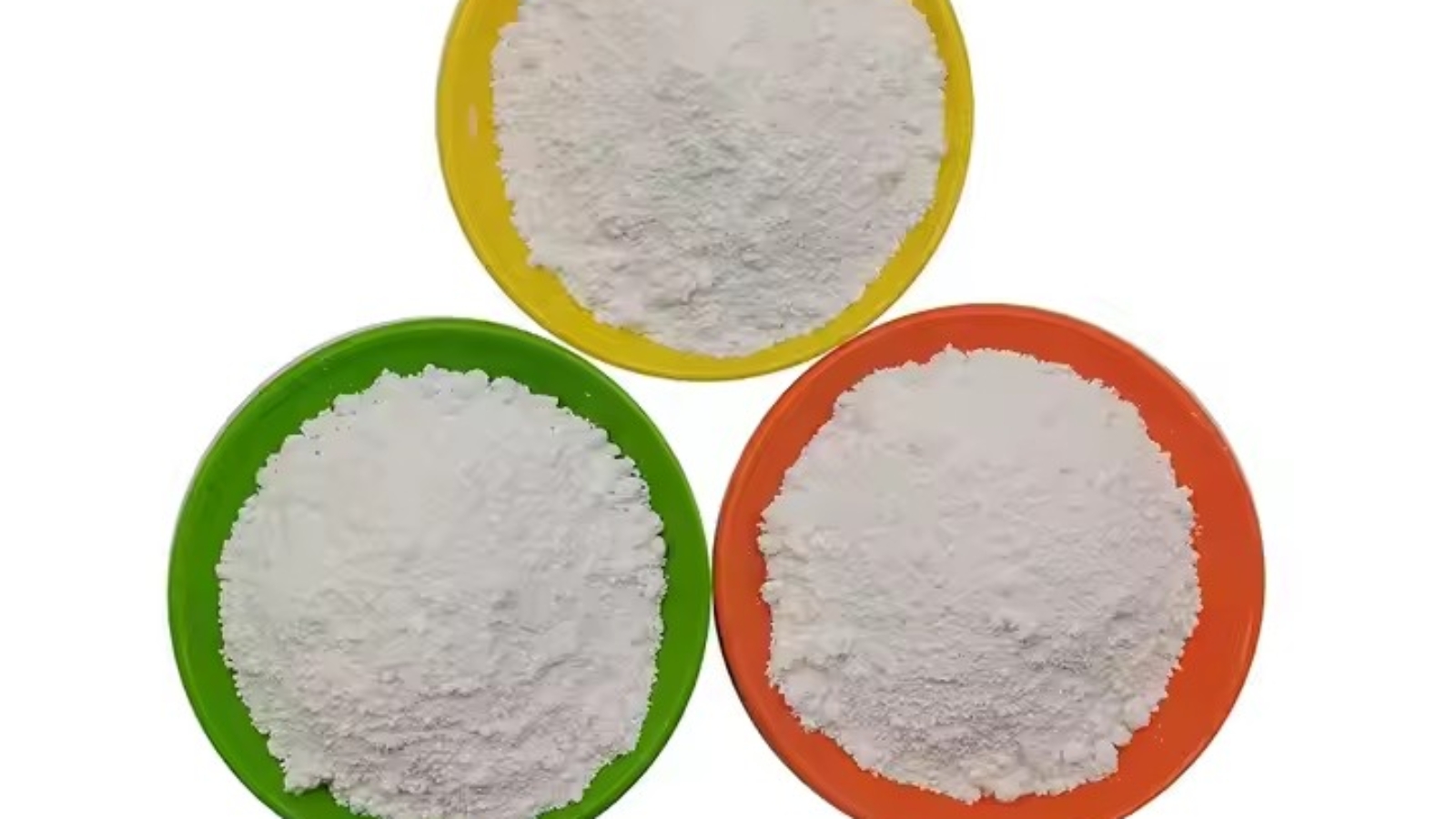
Calcium carbonate (CaCO₃) masterbatch is one of the most widely used filler masterbatches in the plastics industry. It helps reduce production costs, improve mechanical properties, and enhance processing performance. However, not all CaCO₃ masterbatches are suitable for every resin. Choosing the right formula for your resin type is key to achieving the best performance and product quality.
Below is a practical guide to help you select the most suitable CaCO₃ masterbatch for your specific resin type.
1. Understand Your Base Resin
Each resin type—such as PE (Polyethylene), PP (Polypropylene), PS (Polystyrene), PVC (Polyvinyl Chloride), or ABS—has unique characteristics and processing temperatures.
A well-matched carrier resin in the masterbatch ensures excellent compatibility and dispersion.
- For PE and PP: Choose a CaCO₃ masterbatch with a PE or PP carrier. It ensures smooth blending, better film clarity, and stable extrusion performance.
- For PS and ABS: Opt for a styrene-based carrier to maintain impact resistance and surface gloss.
- For PVC: Select a PVC-compatible CaCO₃ masterbatch with high purity and fine particle size to avoid affecting flexibility and transparency.
💡 Tip: Always match the carrier resin in your masterbatch with your base resin to achieve seamless mixing and optimal mechanical strength.
2. Check the CaCO₃ Particle Size and Purity
The particle size of calcium carbonate directly affects surface finish, dispersion, and mechanical strength.
- Fine particles (<1 micron): Ideal for thin films, fibers, and injection molding where a smooth surface and good dispersion are required.
- Medium to large particles (2–5 microns): Suitable for rigid applications like pipes, sheets, and profiles where stiffness and dimensional stability are more important.
High-purity CaCO₃ (above 98%) helps prevent yellowing, improves whiteness, and ensures product consistency—especially in packaging and consumer goods.
3. Consider the Desired Application Performance
Different plastic products require different performance enhancements from the masterbatch:
- Blown film and bags: Look for CaCO₃ masterbatch with excellent dispersion and low-gel formation to ensure smooth film extrusion and high tear strength.
- Injection molding: Choose masterbatch with good flowability to maintain high productivity and reduce cycle time.
- Sheet and thermoforming: A masterbatch that enhances rigidity and dimensional stability is preferred.
- Pipe and cable compounds: Ensure the masterbatch provides consistent melt flow and no moisture absorption, which are critical for long-term performance.
4. Check Additive Synergy
Some high-performance CaCO₃ masterbatches include extra additives such as:
- Lubricants – for easier processing and reduced screw wear
- Coupling agents – to improve bonding between filler and polymer matrix
- Antioxidants or UV stabilizers – for outdoor or aging-resistant products
Selecting a masterbatch with these tailored additives can significantly enhance both processing and final product quality.
5. Evaluate Processing Conditions
The right CaCO₃ masterbatch should withstand your processing temperature and pressure without degradation.
For example:
- PE/PP extrusion temperature: 180–240°C
- PVC extrusion: 160–190°C
- Injection molding: up to 260°C depending on resin type
Choose a masterbatch that remains thermally stable and doesn’t cause odor, smoke, or discoloration during production.
6. Partner with a Reliable Manufacturer
A professional manufacturer can provide custom formulations based on your resin, processing conditions, and product requirements.
They can also supply:
- Technical data sheets and test reports
- Free samples for trial production
- Stable supply and after-sales technical support
Working with a trusted supplier ensures consistent quality and long-term production efficiency.
Conclusion
Choosing the right CaCO₃ masterbatch for your resin type is not just about price—it’s about achieving the right balance between cost saving, performance, and product stability.
By understanding your resin characteristics, checking particle size and purity, and working with a reliable manufacturer, you can get the best performance from your plastic products.
Add a Comment