
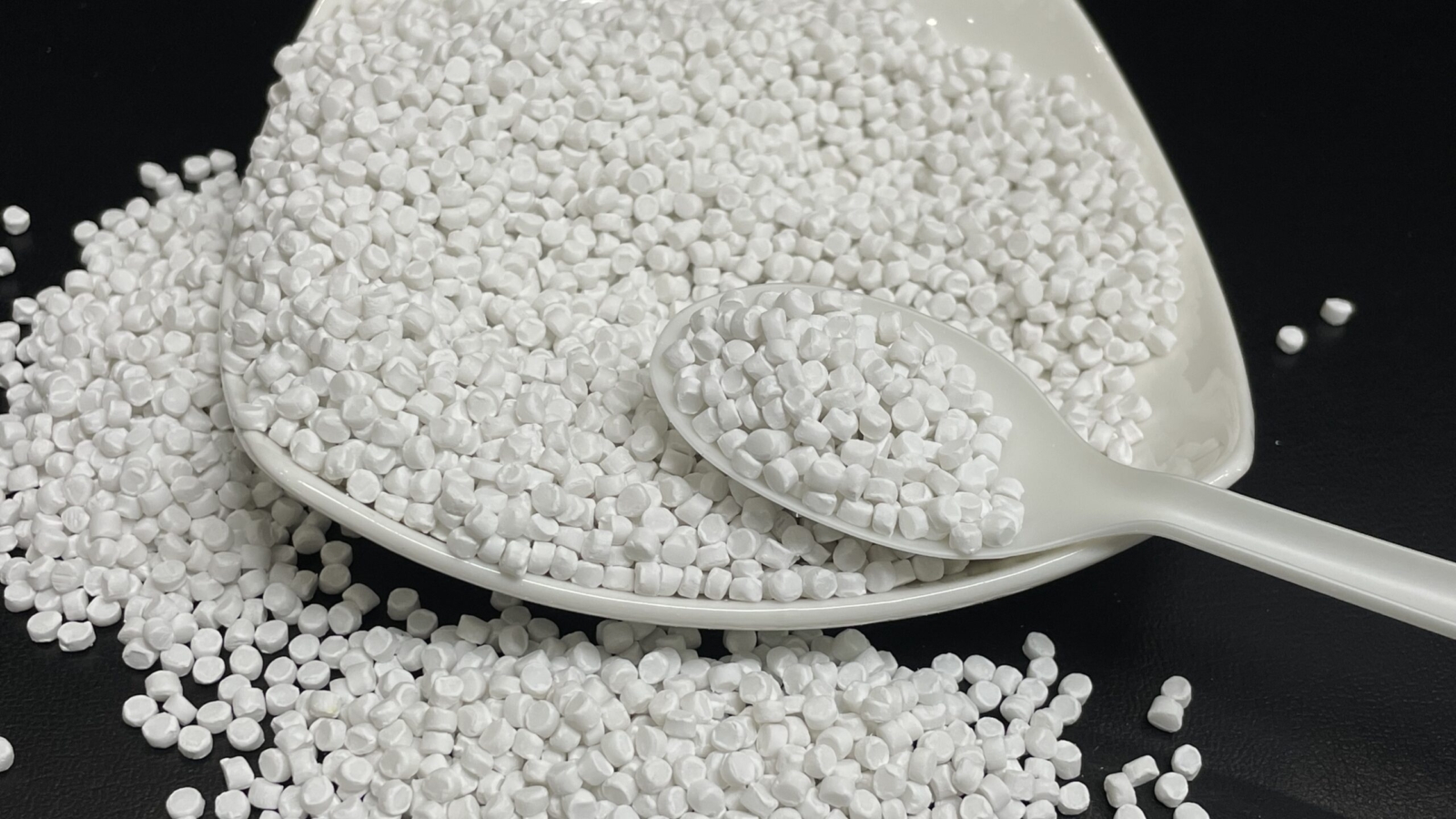
Calcium Carbonate (CaCO₃) Masterbatch has become an essential additive in the nonwoven industry, especially for polypropylene (PP) nonwoven production. With the continuous growth of hygiene, medical, and industrial applications, manufacturers are seeking materials that can enhance product performance while reducing production costs. CaCO₃ masterbatch offers a practical and efficient solution that meets these needs.
Improved Spinning Stability
One of the primary benefits of CaCO₃ masterbatch in nonwoven production is its ability to improve spinning stability. During the melt-blown or spunbond process, filament breakage can lead to production stoppage, material waste, and inconsistent fabric quality. The fine and uniformly dispersed calcium carbonate particles help reduce such breakages, ensuring a smoother and more stable spinning process. This directly translates into higher output and more efficient production.
Enhanced Fabric Texture and Softness
CaCO₃ masterbatch can significantly improve the hand-feel and overall texture of nonwoven fabric. The presence of calcium carbonate modifies the fiber surface structure, resulting in a softer, smoother, and more uniform fabric. This is especially important for hygiene products such as baby diapers, sanitary pads, and medical protective materials, where comfort and softness are key product features.
Cost Reduction Through Lower Polymer Usage
One of the standout advantages of CaCO₃ masterbatch is its cost-saving potential. By replacing part of the PP resin with high-loading calcium carbonate, manufacturers can effectively reduce their raw material cost. Since PP resin prices fluctuate frequently, using CaCO₃ masterbatch provides a more stable and economical alternative without compromising product quality.
Excellent Dispersion and Clean Processing
Quality CaCO₃ masterbatch offers excellent dispersion, preventing clogging, die buildup, or uneven fiber formation. This ensures that the production line runs smoothly, even at high speeds. Clean processing also reduces downtime caused by cleaning or maintenance, further improving operational efficiency.
Consistent Performance for High-Speed Lines
Modern nonwoven production lines operate at increasingly high speeds, requiring additives that can maintain consistent performance. CaCO₃ masterbatch provides stable rheological behavior, thermal resistance, and uniform distribution, making it suitable for large-scale and continuous manufacturing.
Wide Application Across Industries
CaCO₃ masterbatch is widely used in a variety of nonwoven products, including:
- Baby diapers and adult hygiene products
- Medical fabrics such as masks and protective gowns
- Shopping bags and packaging fabrics
- Agricultural covers and landscape fabrics
- Household wipes and disposable materials
Its versatility makes it an ideal additive for manufacturers targeting diverse market segments.
Conclusion
Calcium Carbonate Masterbatch is a highly effective solution for enhancing nonwoven product performance while reducing production cost. From improving spinning stability to delivering softer textures and cleaner processing, CaCO₃ masterbatch provides both economic and functional advantages. As the demand for high-quality nonwoven materials continues to grow, the use of CaCO₃ masterbatch will play an increasingly important role in the industry.
Add a Comment