
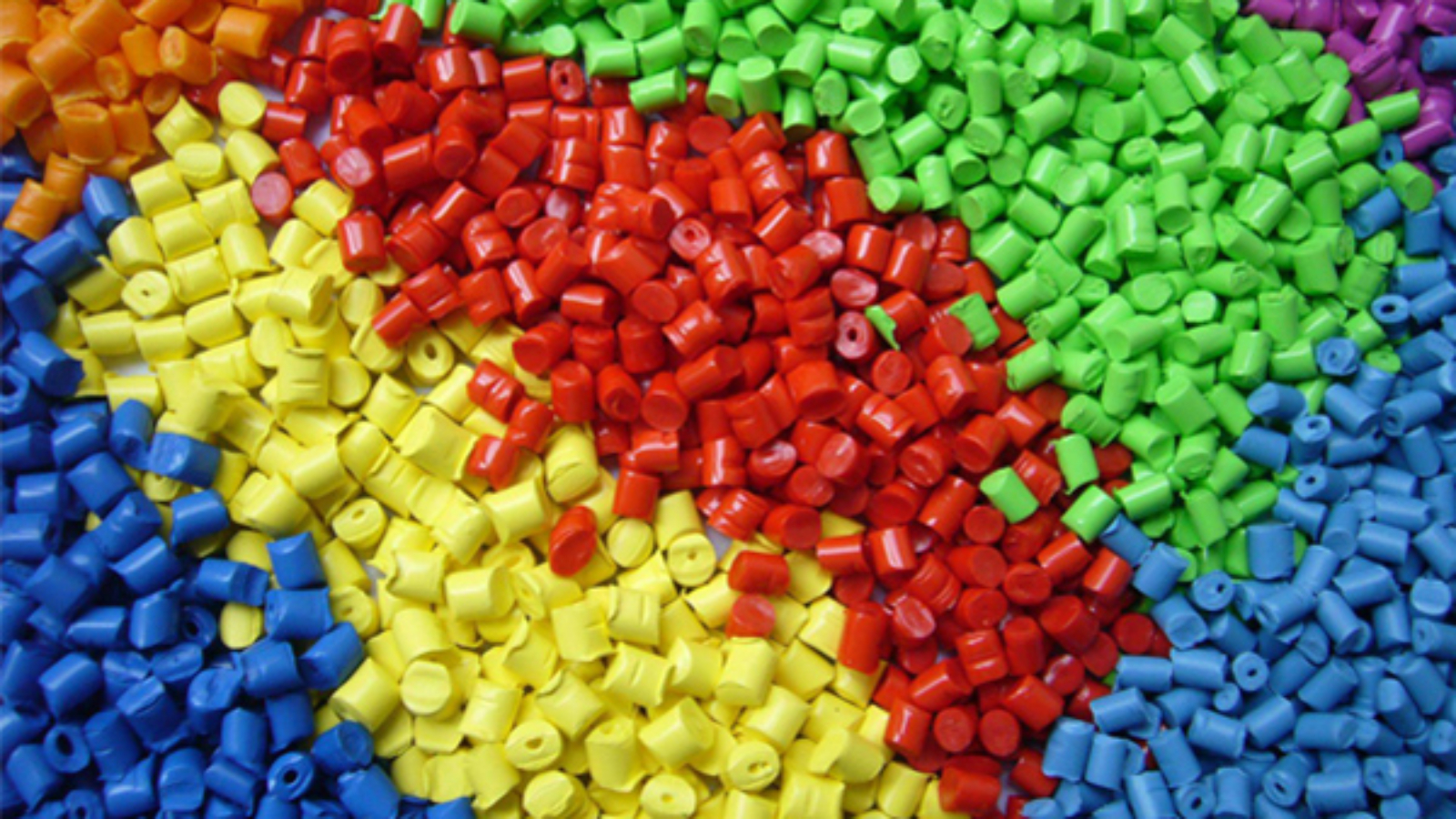
In the ever-evolving plastics industry, functional masterbatches play a critical role in enhancing the performance and value of plastic products. Unlike simple color masterbatches that only impart color, functional masterbatches add specific properties to plastics, improving their durability, appearance, and processing behavior. This article explores the detailed classification of functional masterbatches, their applications, and benefits, helping manufacturers and buyers make informed choices.
What Are Functional Masterbatches?
Functional masterbatches are concentrated mixtures of additives and carriers designed to impart particular functional properties to plastic resins. They are pre-dispersed, ensuring uniform distribution of additives during processing, and are essential for producing plastics that meet modern performance, safety, and regulatory standards.
Major Categories of Functional Masterbatches
- Antioxidant Masterbatch
Antioxidants are crucial for preventing the degradation of plastics caused by heat and oxygen during processing and use. Antioxidant masterbatches enhance the thermal stability of polymers, extending the product’s lifespan and maintaining mechanical properties. They are widely used in polyolefins like polyethylene (PE) and polypropylene (PP).
- UV Stabilizer Masterbatch
UV stabilizer masterbatches protect plastics from the harmful effects of ultraviolet (UV) radiation, which can cause discoloration, surface cracking, and loss of mechanical strength. These masterbatches are indispensable for outdoor applications such as agricultural films, automotive parts, and outdoor furniture.
- Flame Retardant Masterbatch
Safety standards often require plastics to be flame resistant. Flame retardant masterbatches help reduce flammability by inhibiting ignition and slowing down flame spread. They are used in electronics, construction materials, and automotive components to meet stringent fire safety regulations.
- Antistatic Masterbatch
Static electricity buildup in plastics can cause dust attraction, handling difficulties, and even sparks leading to hazards in sensitive environments. Antistatic masterbatches dissipate static charges by increasing surface conductivity, making them essential for electronic packaging, films, and automotive interiors.
- Slip and Anti-block Masterbatch
Slip agents reduce friction between plastic surfaces, improving the ease of processing and handling. Anti-block agents prevent plastic films from sticking to each other, which is critical in packaging applications. These masterbatches enhance the surface properties of films and sheets, improving productivity and product quality.
- Nucleating Agent Masterbatch
Nucleating agents improve the crystallization process in semi-crystalline polymers such as polypropylene. By accelerating crystallization, they shorten cycle times, increase stiffness, and enhance clarity in transparent products. Nucleating masterbatches are common in the production of food packaging, medical devices, and automotive parts.
- Antifog Masterbatch
Used predominantly in packaging films, antifog masterbatches prevent the formation of water droplets on the film surface, maintaining clarity and product visibility. This property is particularly important for food packaging, where consumer appeal and freshness perception are vital.
- Degradable Masterbatch
Environmental concerns have led to growing demand for degradable plastics. Degradable masterbatches enable plastics to break down under specific conditions such as exposure to sunlight or composting environments. These are increasingly used in single-use products like shopping bags and agricultural films to reduce environmental impact.
Benefits of Using Functional Masterbatches
- Enhanced Product Performance: Functional masterbatches improve strength, durability, and aesthetics.
- Cost Efficiency: Concentrated additives reduce raw material wastage and processing time.
- Ease of Processing: Pre-dispersed additives ensure uniformity and reduce mixing difficulties.
- Regulatory Compliance: Many functional masterbatches help plastics meet safety and environmental standards.
- Customization: Tailored masterbatches allow manufacturers to meet specific application requirements.
Choosing the Right Functional Masterbatch
Selecting the appropriate functional masterbatch depends on the end-use application, polymer type, processing conditions, and regulatory demands. For instance, outdoor applications often require UV stabilizers and antioxidants, whereas electronic components may need antistatic and flame retardant properties. Working with experienced masterbatch suppliers who provide technical support and custom formulations can optimize product performance.
Conclusion
Functional masterbatches are indispensable additives that significantly broaden the application scope and improve the quality of plastic products. Understanding their specific classifications helps manufacturers enhance product functionality, comply with regulations, and respond to market demands efficiently. Whether improving durability with antioxidants or ensuring safety with flame retardants, functional masterbatches are key to modern plastic manufacturing success.
Add a Comment