
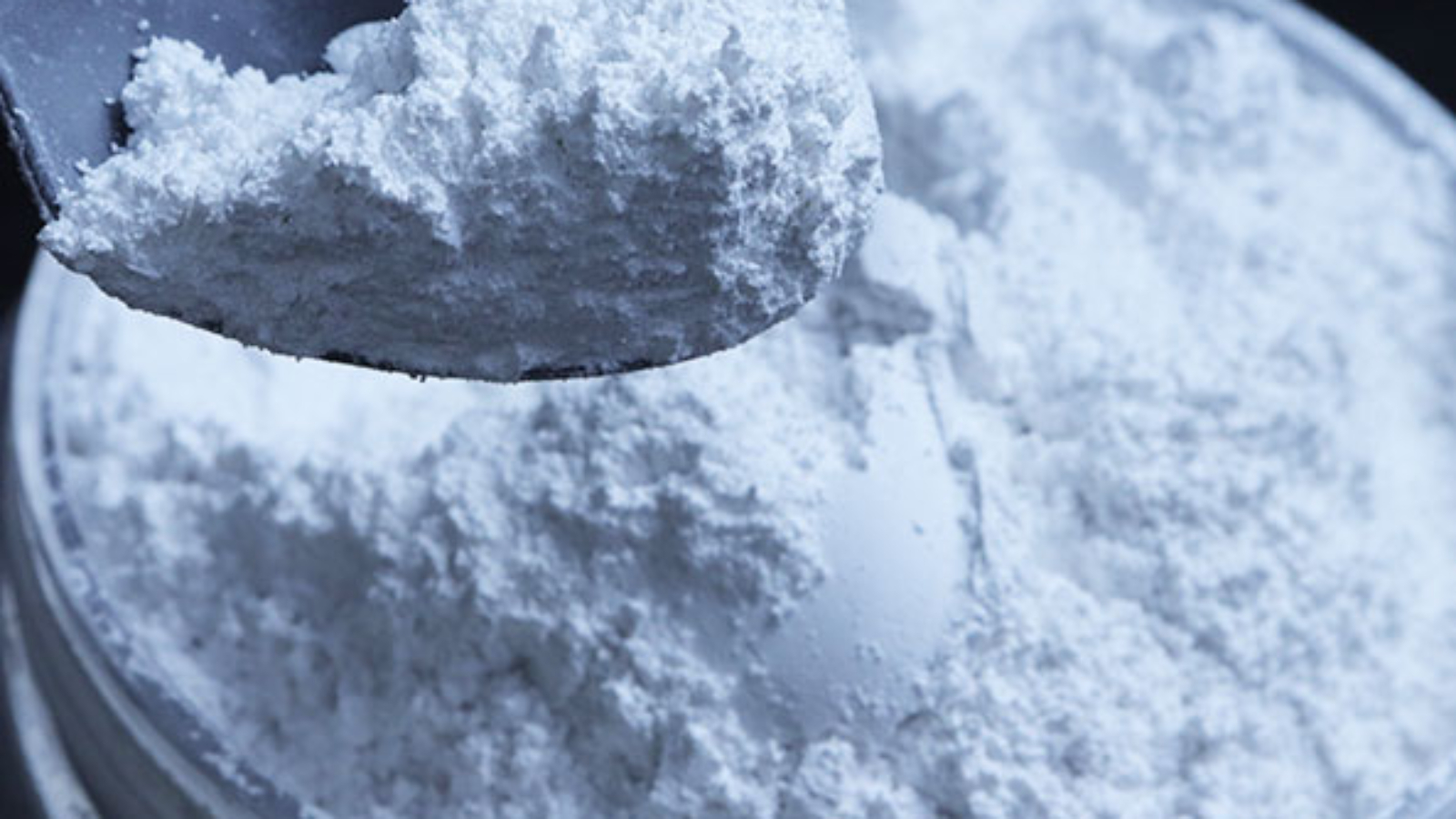
Calcium carbonate (CaCO₃) is one of the most widely used industrial minerals in the world. Naturally occurring in limestone, marble, and chalk, it plays a critical role across a range of industries due to its chemical properties, whiteness, and cost-effectiveness. From plastics and paints to construction materials and environmental applications, calcium carbonate is essential in both traditional and emerging manufacturing sectors.
1. Plastics and Polymers Industry
One of the largest users of calcium carbonate is the plastics industry. It acts as a cost-effective filler that improves the mechanical properties of thermoplastics such as polypropylene (PP), polyethylene (PE), and PVC. When added to plastic compounds, calcium carbonate enhances stiffness, impact resistance, and printability while reducing production costs. It also helps reduce polymer consumption, making the final product more environmentally sustainable.
2. Paints and Coatings
In the paint and coatings sector, calcium carbonate serves as a white pigment extender and rheology modifier. Its fine particle size and brightness make it ideal for improving coverage and opacity in architectural paints, industrial coatings, and powder coatings. It also improves dispersion and contributes to better gloss control, scrub resistance, and surface finish.
3. Paper Manufacturing
Calcium carbonate is a critical component in the paper industry, particularly in coated and uncoated paper production. It replaces traditional wood-based fillers, providing high brightness, smoothness, and opacity. Ground calcium carbonate (GCC) and precipitated calcium carbonate (PCC) are both used to improve print quality and reduce ink absorption. Its use has grown with the shift toward alkaline papermaking, which is more durable and environmentally friendly.
4. Construction and Building Materials
In the construction industry, calcium carbonate is used in cement, concrete, and asphalt mixtures. It functions as an aggregate and a performance additive, helping to improve the durability, workability, and strength of building materials. It is also a key ingredient in the production of lime, which is essential in soil stabilization, road construction, and mortar applications.
5. Rubber and Elastomers
Rubber manufacturers use calcium carbonate as a reinforcing filler to enhance tensile strength and abrasion resistance. It improves processability during mixing and molding and contributes to lower shrinkage rates in final rubber products. Its use is common in tires, hoses, belts, and rubber gaskets.
6. Environmental and Water Treatment
Calcium carbonate is used in flue gas desulfurization (FGD) systems to reduce sulfur dioxide (SO₂) emissions from power plants. It also serves as a pH regulator in wastewater treatment, helping to neutralize acidic conditions and remove heavy metals. Its natural abundance and non-toxic nature make it ideal for environmental applications.
7. Food and Pharmaceuticals (Industrial Grade)
While food-grade calcium carbonate is highly refined, industrial-grade material is often used in the production of dietary supplements, animal feed, and antacids. It acts as a calcium source and an inert binder or filler in tablets and capsules. In agriculture, it helps to reduce soil acidity and improve crop yield.
Conclusion
Calcium carbonate is more than just a common mineral—it’s a backbone of industrial innovation. Its wide availability, chemical stability, and physical properties make it indispensable across various sectors. As industries continue to seek cost-effective, sustainable solutions, calcium carbonate will remain a cornerstone of modern manufacturing and environmental management.
Add a Comment