
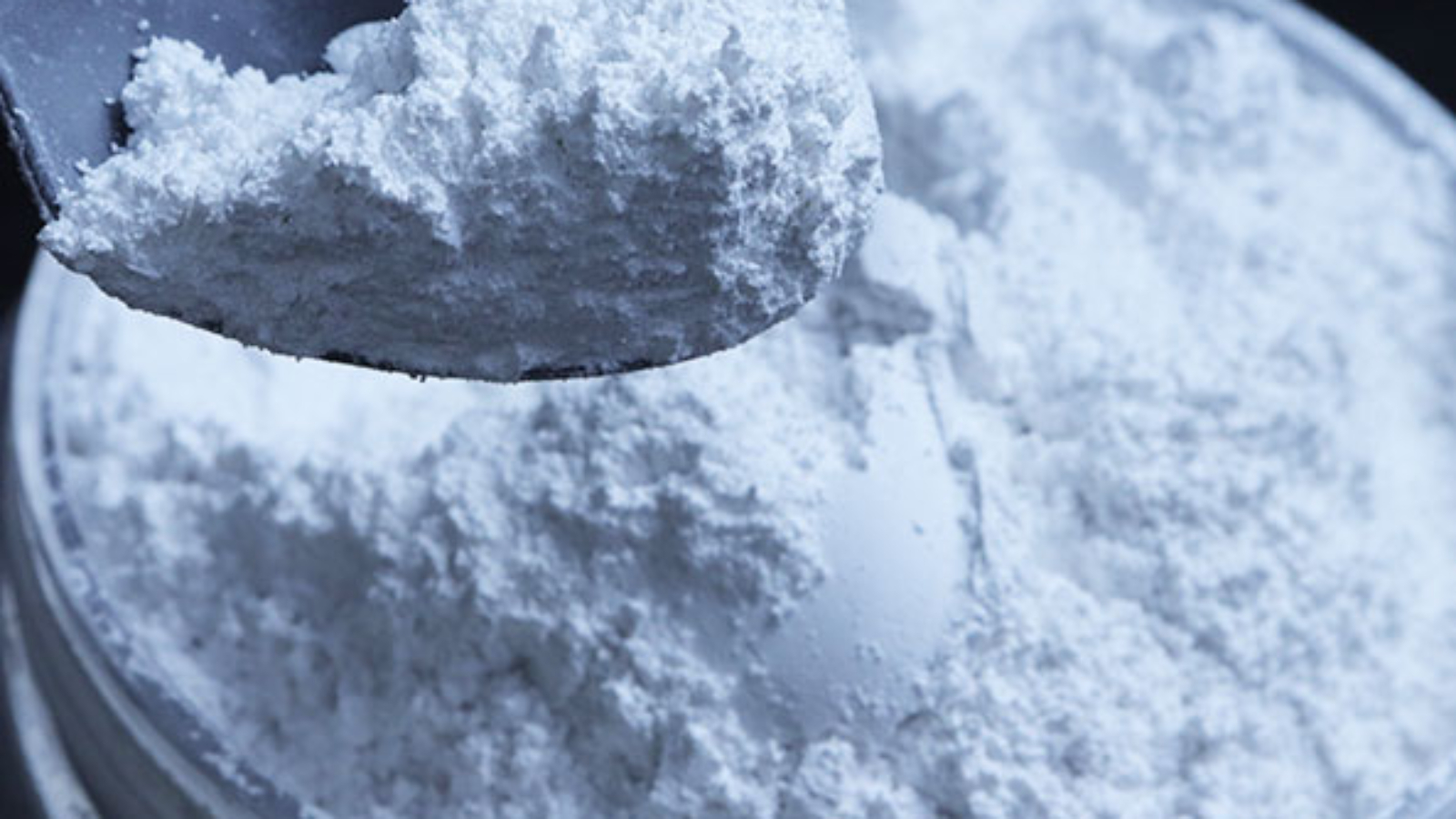
Calcium carbonate (CaCO₃) is one of the most widely used minerals in the world. Found naturally in limestone, marble, and chalk, it plays a vital role across various industries due to its abundance, affordability, and versatile properties. From building materials to everyday consumer products, calcium carbonate adds value in multiple ways. So, what is calcium carbonate most commonly used for? Let’s explore its main applications across different sectors.
1. Construction and Building Materials
One of the largest uses of calcium carbonate is in the construction industry. It is a primary ingredient in the production of cement and lime, essential for concrete, mortar, and plaster. Crushed limestone, rich in calcium carbonate, is also used as an aggregate in road construction and as a base material for highways and railways.
In addition, calcium carbonate is used in the manufacture of tiles, roofing materials, and even decorative stone due to its durability and aesthetic appeal.
2. Plastics and Polymers
Calcium carbonate is a widely used functional filler in the plastics industry. It enhances mechanical strength, reduces production costs, and improves surface finish in products like PVC pipes, plastic films, containers, and automotive parts. By replacing part of the resin with calcium carbonate, manufacturers can lower material costs while improving product performance.
3. Paints and Coatings
In the paints and coatings industry, calcium carbonate serves as a key extender pigment. It provides brightness, opacity, and smoothness to paints, while also reducing the amount of more expensive ingredients like titanium dioxide. Moreover, it contributes to better weather resistance and surface coverage.
4. Paper and Pulp Industry
The paper industry uses calcium carbonate as a filler and coating pigment. It improves the paper’s brightness, opacity, smoothness, and printability. Compared to traditional clay fillers, calcium carbonate enables the production of high-quality, lightweight paper with less fiber usage—making it both cost-effective and environmentally friendly.
5. Food and Pharmaceuticals
Calcium carbonate is also found in many food and pharmaceutical products. As a food additive (E170), it acts as an anti-caking agent, acidity regulator, and calcium fortifier in products like flour, dairy, and beverages. In pharmaceuticals, it is commonly used as a calcium supplement and an active ingredient in antacids, helping relieve symptoms of heartburn and indigestion.
6. Environmental Uses
In environmental applications, calcium carbonate is used to neutralize acidic soils and water. Agricultural lime, derived from limestone, is applied to farmlands to correct soil acidity and improve crop yield. It’s also used in flue gas desulfurization to remove sulfur dioxide from industrial emissions, supporting cleaner air standards.
Conclusion
Calcium carbonate is a truly versatile material with widespread applications across construction, plastics, paints, paper, food, and environmental sectors. Its ability to enhance performance, reduce costs, and support sustainability makes it an indispensable mineral in modern industry.
Whether it’s building the roads we drive on, improving the packaging we use, or enhancing the paper we print on, calcium carbonate continues to shape the way we live and manufacture products every day.
Add a Comment