
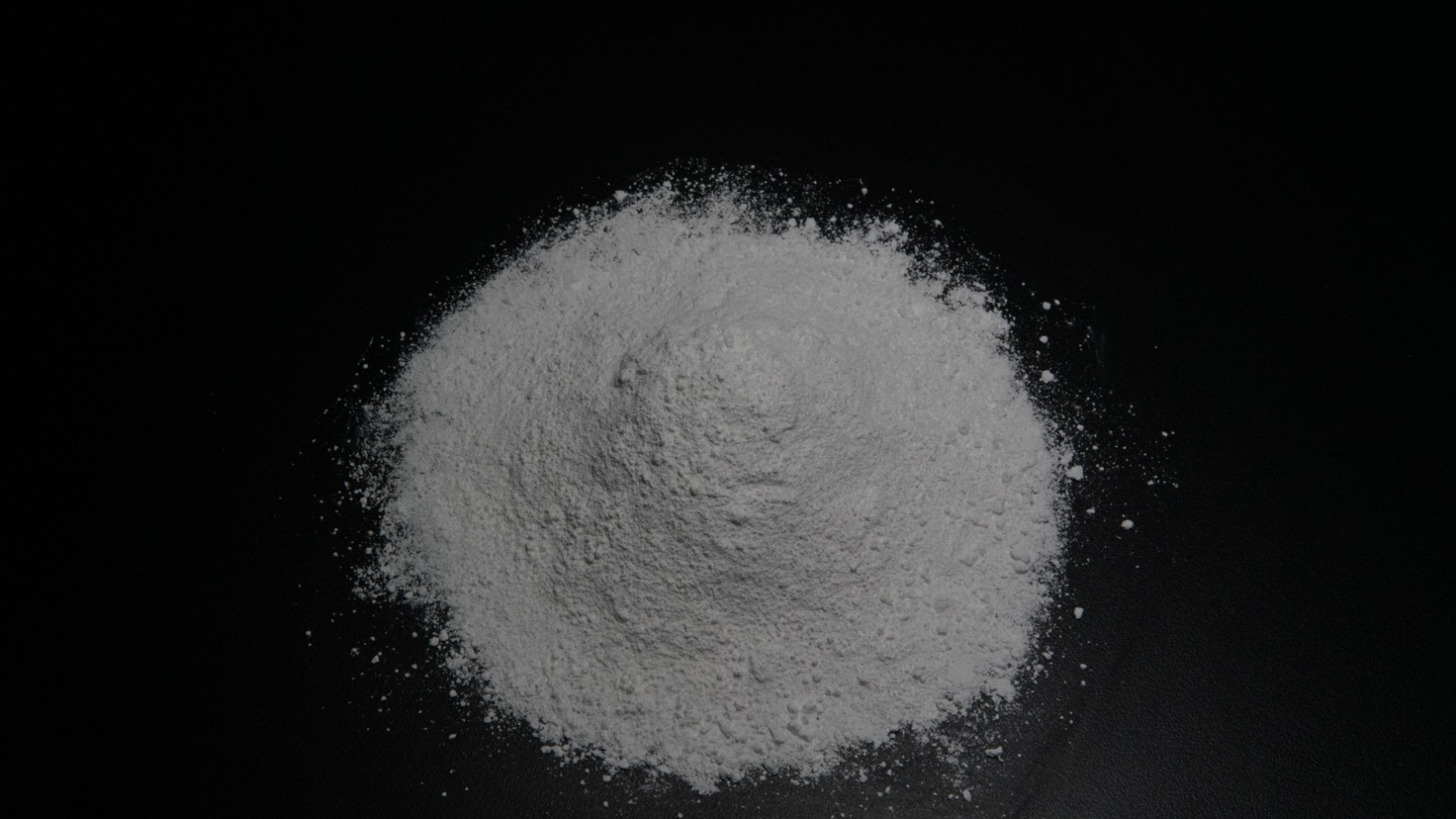
GCC calcium carbonate, also known as Ground Calcium Carbonate, is a widely used industrial mineral made by grinding naturally occurring limestone or marble into a fine powder. It is an essential material used in many industries due to its high purity, brightness, low oil absorption, and chemical stability.
How is GCC Calcium Carbonate Produced?
The production of GCC begins with the extraction of high-quality calcium carbonate-rich rocks such as limestone or marble. These raw materials are crushed, ground, and classified into different particle sizes depending on the end-use requirements. Unlike precipitated calcium carbonate (PCC), GCC is produced through mechanical processes without any chemical treatment. As a result, it retains the natural crystal structure of calcite.
GCC is typically available in various particle sizes, from coarse powder to ultra-fine micronized forms. The final product may be uncoated or surface-coated (with stearic acid, for example) to enhance its dispersion and compatibility in polymers or other materials.
Key Properties of GCC Calcium Carbonate
- Chemical Formula: CaCO₃
- Whiteness: High brightness, typically above 90%
- Purity: High calcium carbonate content (above 95%)
- Moisture: Low
- Oil Absorption: Low, which is ideal for filler applications
- Inertness: Chemically stable and non-reactive under standard conditions
Applications of GCC Calcium Carbonate
GCC is a versatile industrial filler and performance additive. It is widely used in the following industries:
1. Plastics and Polymers
GCC is commonly added to thermoplastics such as PVC, PE, and PP to improve rigidity, thermal conductivity, and dimensional stability. It also helps reduce production costs by replacing more expensive resins.
2. Rubber Industry
In rubber compounds, GCC improves tensile strength, abrasion resistance, and processability. It is widely used in tire, hose, and shoe sole manufacturing.
3. Paints and Coatings
GCC acts as an extender pigment, providing excellent opacity, gloss control, and brightness. It reduces the need for more expensive white pigments like titanium dioxide.
4. Paper Industry
In paper making, GCC enhances printability, opacity, and brightness. It is used as a filler and in surface coating formulations for high-quality printing papers.
5. Construction Materials
GCC is used in dry-mix mortars, adhesives, sealants, and ready-mix concrete for improved flow, stability, and workability.
Advantages of Using GCC Calcium Carbonate
- Cost-effective filler and extender
- Abundant and non-toxic
- Improves mechanical properties of end products
- Environmentally friendly, recyclable, and safe
- Easily customized in terms of particle size and coating
Conclusion
GCC calcium carbonate is a naturally sourced, high-performance mineral used in various industries as a cost-effective filler and functional additive. Its excellent whiteness, purity, and physical properties make it a valuable material in plastics, rubber, paints, paper, and construction applications. As demand for sustainable and high-quality raw materials grows, GCC continues to be a key ingredient in industrial manufacturing worldwide.
Add a Comment