
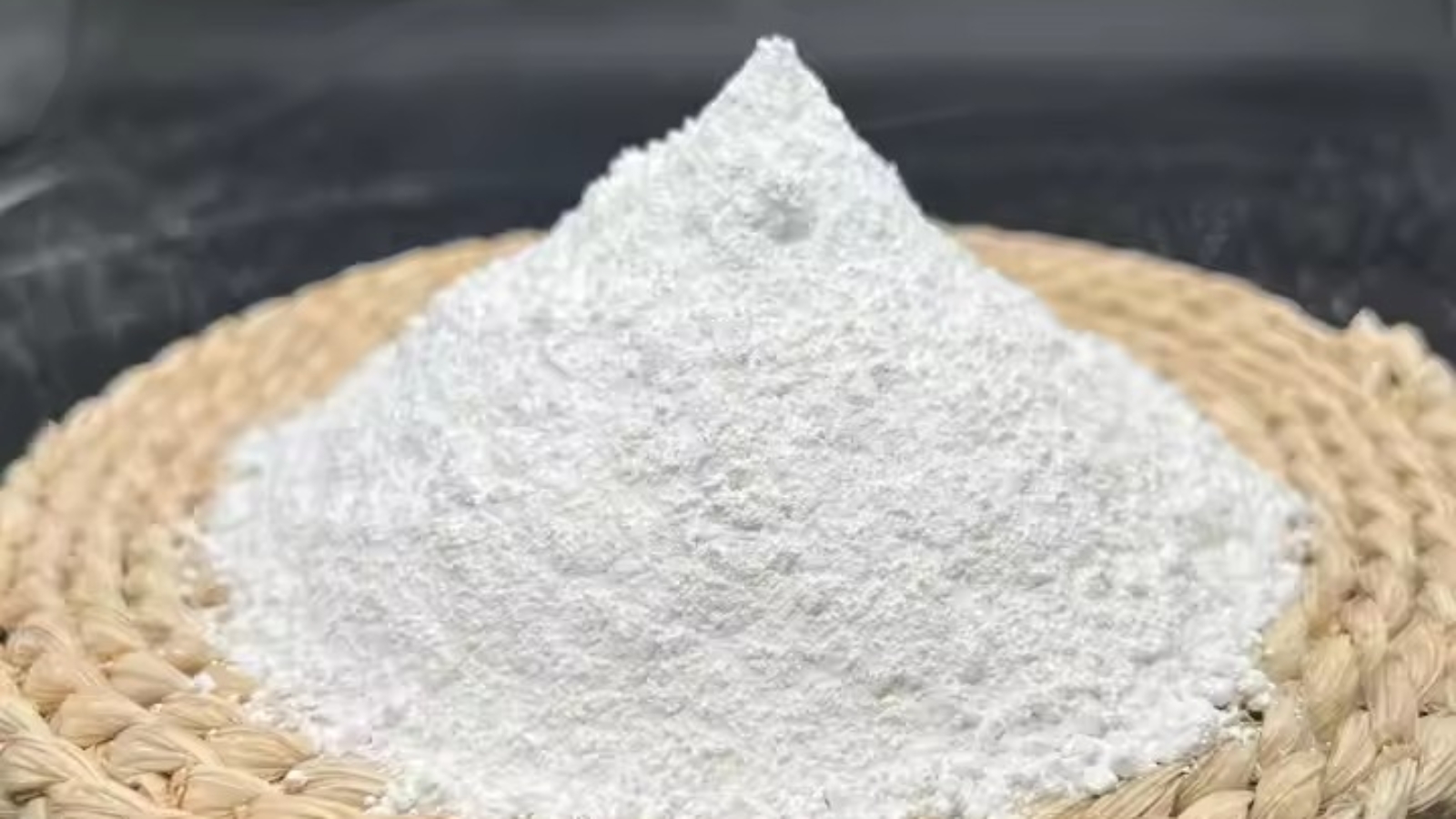
Calcium carbonate (CaCO₃) is one of the most widely used mineral materials in agriculture. Known primarily for its role in soil conditioning, calcium carbonate also plays a vital part in crop nutrition, livestock farming, fertilizer formulation, and sustainable agricultural practices. Thanks to its natural origin, cost-effectiveness, and multifunctional properties, calcium carbonate has become an essential input in modern agriculture worldwide.
This article explores the key agricultural uses of calcium carbonate, how it works, and why it is so important for improving productivity and soil health.
1. Soil pH Adjustment and Liming
One of the most common agricultural uses of calcium carbonate is soil liming. Many agricultural soils tend to become acidic over time due to rainfall, fertilizer use, and crop uptake. Acidic soils can significantly reduce nutrient availability and inhibit plant growth.
How calcium carbonate helps:
- Neutralizes soil acidity and raises soil pH
- Improves availability of essential nutrients such as phosphorus, nitrogen, and potassium
- Reduces aluminum and manganese toxicity in acidic soils
- Creates a more favorable environment for beneficial soil microorganisms
Ground limestone (agricultural lime) containing calcium carbonate is widely applied to fields, orchards, and pastures to maintain optimal soil conditions for crop growth.
2. Calcium Source for Crop Nutrition
Calcium is an essential secondary nutrient required for healthy plant development. Calcium carbonate serves as a slow-release calcium source, especially in soils deficient in calcium.
Benefits for crops:
- Strengthens cell walls and improves plant structure
- Reduces physiological disorders such as blossom end rot in tomatoes and peppers
- Enhances root development and nutrient uptake
- Improves crop resistance to diseases and environmental stress
Although calcium carbonate is not highly soluble, its long-term availability makes it ideal for sustained soil improvement and calcium supplementation.
3. Fertilizer and Soil Amendment Formulations
Calcium carbonate is widely used as a filler and carrier in compound fertilizers and soil amendment products.
Key roles:
- Improves granulation and physical strength of fertilizer pellets
- Enhances flowability and storage stability
- Helps neutralize acidity in fertilizer formulations
- Reduces production costs while maintaining performance
In organic and conventional farming, calcium carbonate is often blended with other nutrients to create balanced soil conditioners and customized fertilizer products.
4. Animal Feed and Livestock Nutrition
In livestock farming, calcium carbonate is used as a feed-grade mineral supplement for animals such as poultry, cattle, pigs, and sheep.
Functions in animal nutrition:
- Provides a highly digestible calcium source
- Supports bone development and skeletal strength
- Improves eggshell quality in laying hens
- Helps maintain proper metabolic and enzyme functions
Feed-grade calcium carbonate is carefully processed to meet strict purity and particle size requirements, ensuring safety and consistent nutritional value.
5. Poultry Litter and Environmental Management
Calcium carbonate is also applied in poultry houses and livestock facilities as a litter additive.
Advantages:
- Helps control moisture and reduce ammonia emissions
- Improves hygiene and animal comfort
- Reduces odor and pathogen growth
- Supports better waste management and composting
By improving environmental conditions in animal housing, calcium carbonate contributes to healthier livestock and more sustainable farm operations.
6. Crop Protection and Agricultural Sprays
Fine and ultrafine calcium carbonate powders are sometimes used in agricultural sprays and crop protection systems.
Applications include:
- Acting as a carrier for pesticides and fungicides
- Providing physical protection against certain insect pests
- Improving leaf surface coverage and adhesion
- Reducing sunburn damage on fruits when used in protective coatings
These applications are especially common in orchards, vineyards, and high-value crops.
7. Role in Sustainable and Regenerative Agriculture
As agriculture moves toward sustainability and soil regeneration, calcium carbonate plays an important role due to its natural origin and low environmental impact.
Sustainability benefits:
- Enhances long-term soil structure and fertility
- Reduces dependency on harsh chemical inputs
- Supports microbial activity and soil biodiversity
- Contributes to carbon cycling and soil resilience
Its compatibility with organic farming standards in many regions further increases its value in eco-friendly agricultural systems.
Conclusion
Calcium carbonate is far more than a simple soil additive. From pH correction and nutrient supply to animal nutrition and environmental management, its versatility makes it a cornerstone of modern agriculture. By improving soil health, supporting crop productivity, and enhancing livestock performance, calcium carbonate helps farmers achieve higher yields, better quality, and more sustainable agricultural practices.
As global agriculture continues to focus on efficiency and sustainability, calcium carbonate will remain a reliable, cost-effective, and environmentally friendly solution across a wide range of agricultural applications.
Add a Comment