
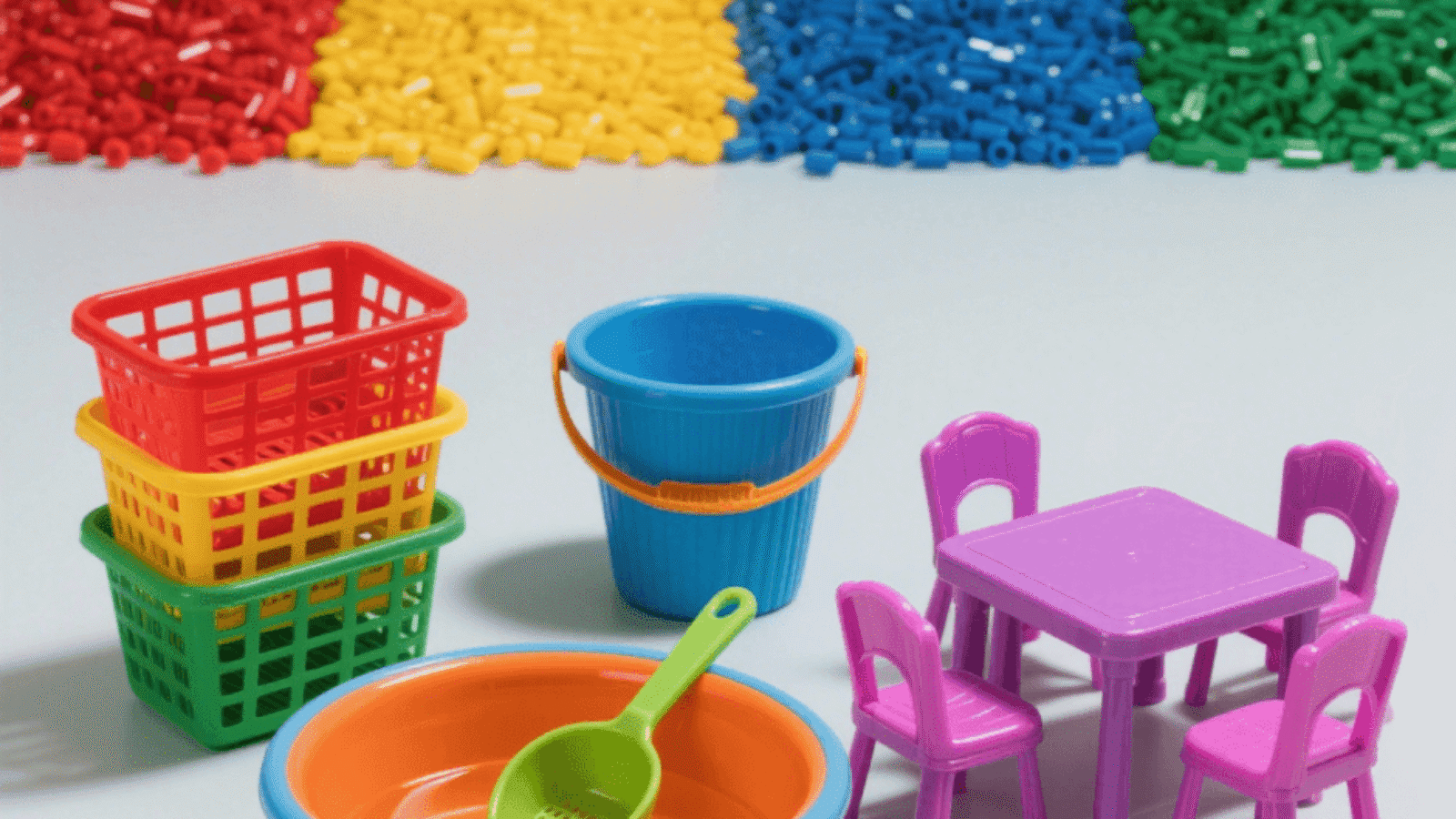
Calcium carbonate (CaCO₃) is one of the most widely used mineral fillers in the plastics industry, offering a combination of cost-effectiveness, performance enhancement, and versatility. Its use spans a wide range of plastic products, including PVC pipes, films, sheets, bottles, and automotive components.
1. Cost Reduction and Material Efficiency
One of the main reasons plastics manufacturers add calcium carbonate is to reduce raw material costs. By partially replacing expensive polymers with calcium carbonate, companies can achieve significant savings without compromising product quality. In addition, the use of finely ground calcium carbonate can improve processing efficiency, as it allows for higher filler loadings while maintaining the desired mechanical properties of the plastic.
2. Improved Mechanical Properties
Calcium carbonate not only reduces costs but also enhances the physical performance of plastic products. When properly dispersed, it can increase stiffness, tensile strength, and impact resistance. For example, PVC profiles and pipes filled with calcium carbonate exhibit improved rigidity, dimensional stability, and resistance to deformation under load. In polypropylene (PP) and polyethylene (PE) films, calcium carbonate can improve opacity and surface smoothness, making the final product more visually appealing.
3. Surface Finish and Aesthetic Enhancement
In addition to mechanical improvements, calcium carbonate contributes to a superior surface finish. It helps achieve smooth, uniform surfaces in molded or extruded plastic products. For decorative items, household goods, or automotive interior parts, a high-quality calcium carbonate filler ensures better paint adhesion, enhanced gloss, and reduced surface imperfections.
4. Thermal and Processing Benefits
Calcium carbonate can also enhance thermal properties and processing performance. Its high thermal conductivity helps dissipate heat during extrusion or injection molding, reducing warping and shrinkage. Moreover, the particle size and surface treatment of calcium carbonate can be tailored to meet specific processing requirements, such as improved flow, reduced viscosity, or better dispersion in polymer matrices.
5. Environmental and Sustainable Advantages
Using calcium carbonate as a filler also contributes to environmental sustainability. By replacing a portion of the polymer content, it reduces the overall consumption of petroleum-based plastics. In addition, calcium carbonate is abundant, non-toxic, and recyclable, aligning with the growing demand for eco-friendly and sustainable materials in the plastics industry.
6. Key Applications in Plastics
- PVC Pipes and Profiles: Increased rigidity and dimensional stability.
- Polypropylene and Polyethylene Films: Improved opacity, smoothness, and printability.
- Injection-Molded Products: Enhanced stiffness and surface finish for household goods, automotive components, and packaging.
- Plastic Sheets and Panels: Better heat resistance and reduced warping during processing.
Conclusion
Calcium carbonate has become an indispensable additive in the plastics industry due to its cost-saving potential, performance enhancement, and versatility. From improving mechanical properties to enhancing surface finish and processing efficiency, it plays a crucial role in producing high-quality, durable, and aesthetically appealing plastic products. With ongoing innovations in particle size control and surface treatment, calcium carbonate continues to expand its applications, offering manufacturers a reliable solution for sustainable and cost-effective plastic production.
Add a Comment