
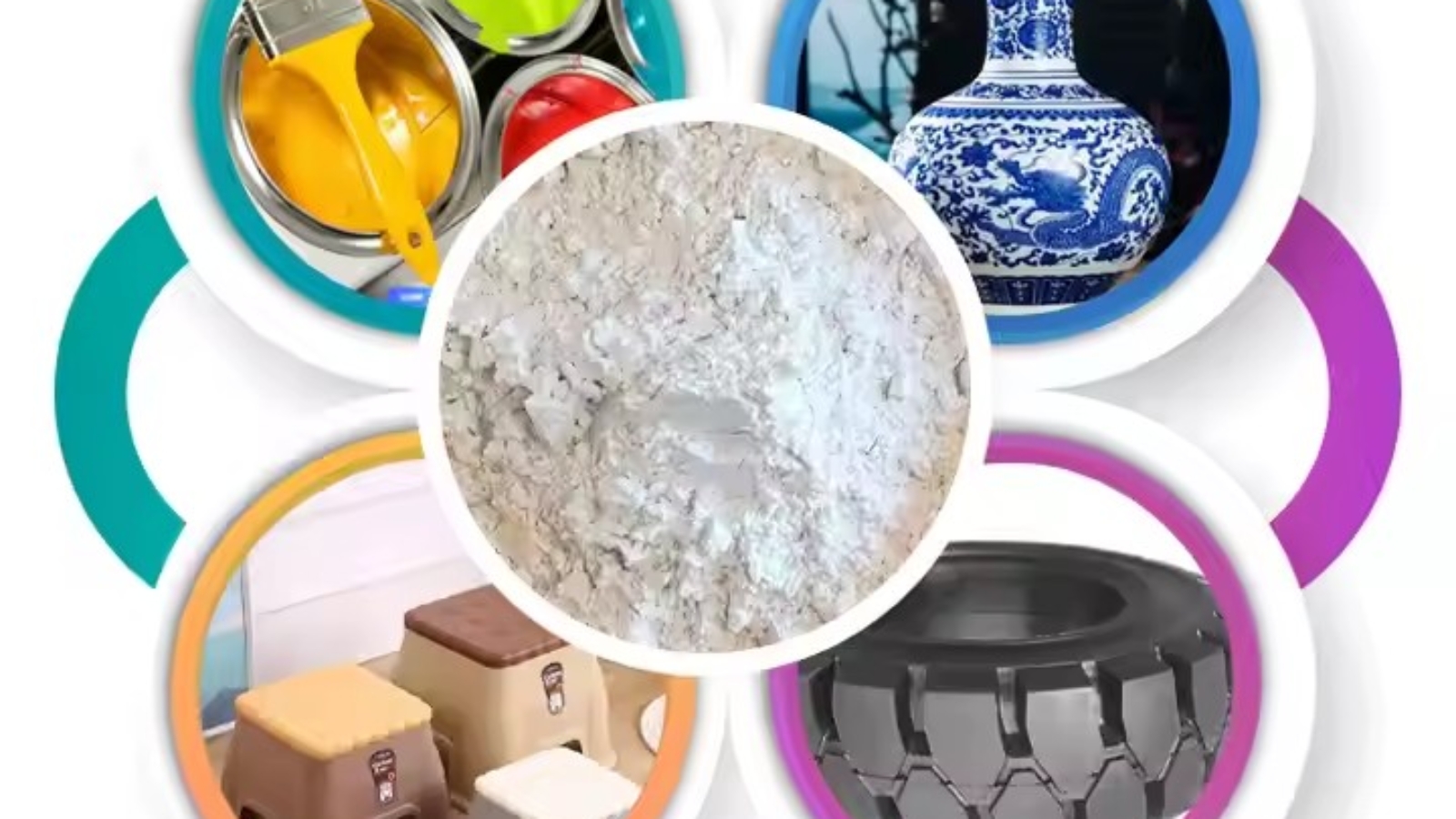
Calcium carbonate (CaCO₃) is one of the most widely used minerals in modern industry. With its abundance, cost-effectiveness, and versatile properties, it plays an essential role across multiple sectors. From construction and plastics to paper and paints, calcium carbonate is valued for its ability to improve product quality and reduce production costs. Below, we explore some of the key industrial uses of this important mineral.
Construction and Building Materials
One of the largest applications of calcium carbonate is in the construction industry. It is a primary ingredient in cement and lime, both of which are crucial for producing concrete, mortar, and other building materials. Crushed limestone, a natural source of calcium carbonate, is also used as aggregate in road bases, roofing materials, and asphalt. Its strength, durability, and availability make it indispensable in infrastructure projects worldwide.
Plastics and Polymers
In the plastics sector, calcium carbonate is used as a filler to enhance strength, improve surface finish, and lower raw material costs. Adding calcium carbonate to polypropylene, polyethylene, or PVC products helps manufacturers achieve better rigidity and durability while reducing resin consumption. It is widely applied in packaging films, pipes, cables, and automotive parts, providing a balance between performance and cost savings.
Paper Industry
The paper and pulp industry has relied on calcium carbonate for decades. It serves as a coating and filling agent, improving brightness, opacity, and smoothness. Compared with traditional clay fillers, calcium carbonate offers superior printability and enhances the paper’s overall appearance. Its use has grown significantly in producing high-quality office paper, magazines, and packaging materials.
Paints and Coatings
Another major use is in paints and coatings, where calcium carbonate functions as an extender. It improves paint opacity, reduces oil absorption, and helps control gloss levels. Because of its fine particle size and chemical stability, calcium carbonate ensures consistent color, better coverage, and improved durability of the coating. This makes it a popular choice in architectural paints, industrial coatings, and even ink formulations.
Rubber and Adhesives
In rubber manufacturing, calcium carbonate acts as a reinforcing filler. It increases strength, resistance to wear, and processing efficiency in products like tires, hoses, and footwear. In adhesives and sealants, it helps reduce shrinkage, adds body, and improves adhesion properties, making it vital in construction and packaging applications.
Environmental Applications
Beyond traditional industries, calcium carbonate also plays a role in environmental protection. It is used to neutralize acidic conditions in soil and water treatment. In flue gas desulfurization systems, calcium carbonate helps capture sulfur dioxide emissions from power plants, reducing air pollution and supporting cleaner energy production.
Conclusion
From construction to environmental management, calcium carbonate is one of the most versatile industrial minerals. Its ability to improve product performance while cutting costs has made it a cornerstone in global manufacturing. As industries continue to grow, the demand for high-quality calcium carbonate is expected to rise, ensuring its place as an essential material for the future.
Add a Comment