
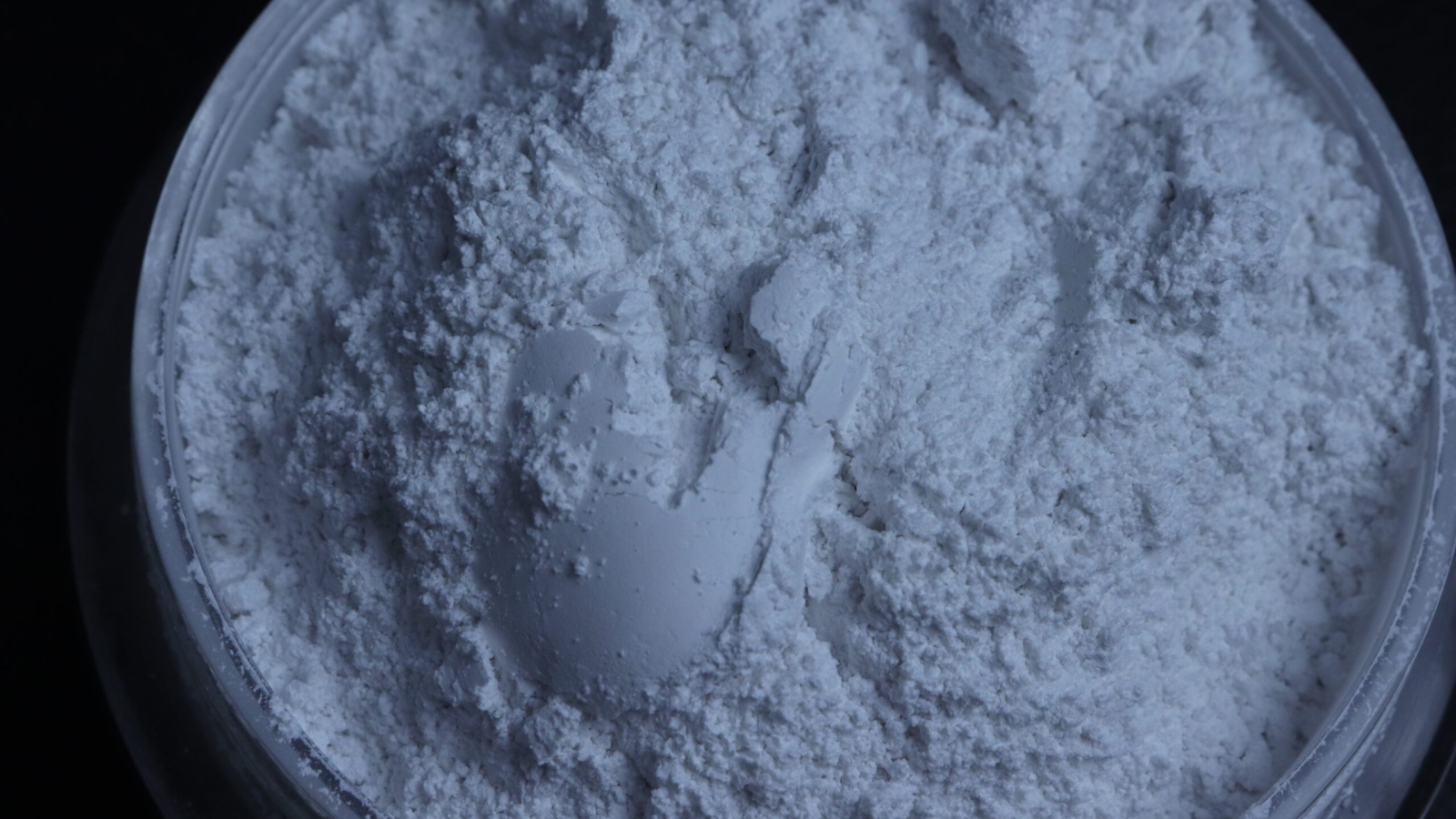
Calcium carbonate is one of the most important industrial minerals, used as a filler, extender, and performance enhancer in a wide range of products. Among its different grades, hydrophilic precipitated calcium carbonate (PCC) stands out for its excellent suspension ability and strong affinity with water-based systems. This special type of calcium carbonate is engineered to provide superior dispersion and stability, making it highly valuable in modern industrial applications.
What is Hydrophilic Precipitated Calcium Carbonate?
Hydrophilic precipitated calcium carbonate is produced through a controlled chemical reaction of calcium hydroxide with carbon dioxide. During processing, surface modification techniques are applied to enhance its water-wetting and suspension properties. Unlike traditional ground calcium carbonate, this grade is finely structured, with uniform particle size and high surface activity.
Its hydrophilic character ensures that particles disperse quickly and evenly in water, avoiding sedimentation and improving stability in liquid-based formulations.
Key Properties
- Excellent Suspension – Maintains stability in water-based systems without rapid settling.
- High Dispersion – Distributes evenly in paints, adhesives, and coatings for smoother performance.
- Fine Particle Size – Offers higher surface area, improving bonding with other ingredients.
- Improved Rheology – Enhances flow and viscosity control in formulations.
- Chemical Stability – Resistant to common acids and alkalis, ensuring durability in various environments.
Industrial Applications
Hydrophilic precipitated calcium carbonate plays a vital role in many industries:
- Paints and Coatings – Used as a functional filler to improve opacity, smoothness, and anti-settling properties in water-based paints. It helps maintain consistency and provides better covering power.
- Adhesives and Sealants – Enhances viscosity control, bonding strength, and stability in water-based adhesive formulations.
- Paper Industry – Improves brightness, printability, and coating smoothness while preventing sedimentation in paper coatings.
- Rubber and Plastics – Provides reinforcement and dimensional stability while maintaining good dispersion in polymer emulsions.
- Construction Materials – Added to putty, mortar, and water-based construction chemicals to improve workability, strength, and long-term stability.
Benefits for Manufacturers
The adoption of hydrophilic PCC offers both technical and economic advantages:
- Performance Enhancement – Improves surface quality, mechanical strength, and durability of final products.
- Cost Reduction – Acts as a filler, lowering the need for expensive raw materials.
- Processing Efficiency – Its suspension and dispersion properties make production smoother and more consistent.
- Versatility – Suitable for a wide range of water-based industrial applications, from coatings to construction.
Conclusion
Hydrophilic precipitated calcium carbonate is more than just a filler. Its unique suspension and dispersion abilities make it a functional material that directly improves product performance in paints, adhesives, paper, plastics, and construction. For industries seeking both cost efficiency and technical reliability, this specialized grade of calcium carbonate represents a high-value solution that continues to drive innovation in water-based industrial applications.
Add a Comment