
In the food packaging industry, performance, safety, and cost-efficiency are top priorities. Manufacturers are constantly seeking materials and additives that can improve the quality of their products while reducing production costs. One such additive that has gained widespread use in food container manufacturing is calcium carbonate.
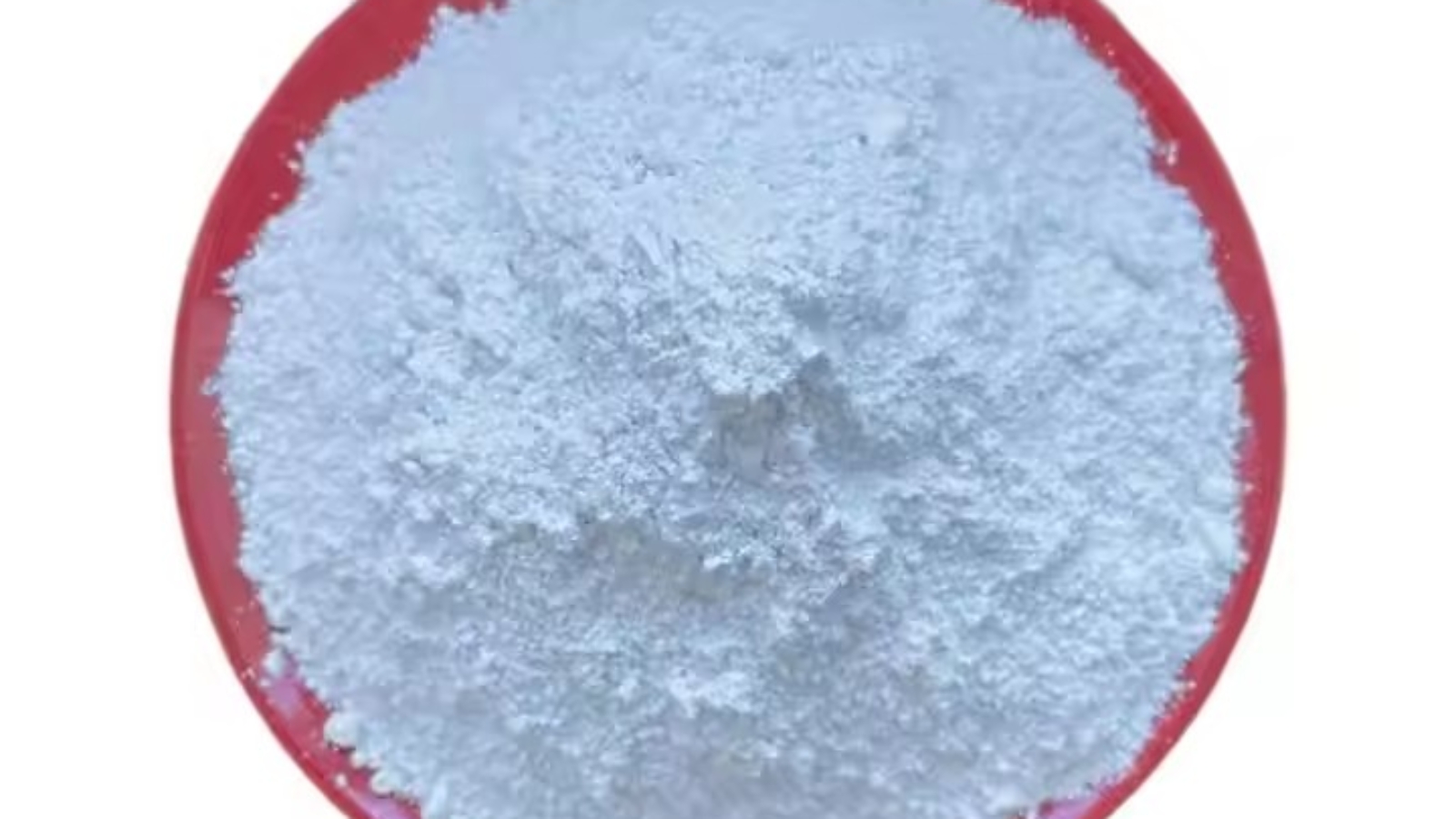
Calcium carbonate (CaCO₃) is a naturally occurring mineral widely used as a functional filler in plastics, paper, and other industries. When incorporated into polymer-based food containers—such as polypropylene (PP) or polystyrene (PS) products—it offers multiple performance and economic benefits without compromising food safety.
Why Calcium Carbonate is Used in Food Containers
Calcium carbonate is valued for its high purity, whiteness, and fine particle size. In food-grade applications, it must meet strict safety and hygiene standards, ensuring it is non-toxic, odorless, and compliant with relevant food contact regulations. Its primary role in food containers is to improve mechanical properties, enhance surface quality, and reduce material costs.
Key Functions of Calcium Carbonate in Food Container Production
1. Improved Stiffness and Strength
Pure PP or PS containers can sometimes be too flexible, leading to deformation under load. Adding calcium carbonate reinforces the polymer matrix, increasing stiffness and improving the container’s ability to hold its shape during use, stacking, or transportation.
2. Better Dimensional Stability
Food containers need precise dimensions to ensure tight-fitting lids and reliable sealing. Calcium carbonate reduces shrinkage during cooling, resulting in consistent product dimensions and a better fit between container and lid.
3. Enhanced Surface Finish
A smooth, defect-free surface is essential for printing, labeling, and branding. Calcium carbonate improves the surface quality of containers by minimizing sink marks, flow lines, and other imperfections, allowing for sharper printing and more attractive packaging.
4. Heat Resistance
Many food containers are used for hot meals, microwaving, or high-temperature storage. Calcium carbonate increases the heat distortion temperature (HDT) of the polymer, helping containers maintain their shape and mechanical integrity under heat.
5. Cost Reduction
Calcium carbonate is significantly less expensive than virgin polymer resin. By replacing a portion of the resin with CaCO₃, manufacturers can lower raw material costs while still meeting performance requirements. This makes it an ideal solution for high-volume, cost-sensitive food packaging.
6. Environmental Benefits
By partially replacing polymer resin with a naturally occurring mineral, manufacturers can reduce their reliance on petroleum-based plastics, lower their carbon footprint, and support sustainability goals. Calcium carbonate-filled containers can also be recycled, further contributing to a circular economy.
Manufacturing Advantages
Calcium carbonate also offers significant benefits during the manufacturing process:
- Improved Processing Speed – Better thermal conductivity shortens cooling times, increasing production efficiency.
- Reduced Warpage – Even cooling and dimensional stability minimize deformation after demolding.
- Consistent Quality – Uniform dispersion of calcium carbonate ensures every container meets the same quality standards.
Applications in the Food Industry
Calcium carbonate-filled containers are used in a wide range of applications, including:
- Disposable lunch boxes for take-out meals
- Microwaveable meal trays
- Yogurt cups and dairy packaging
- Fruit and salad containers
- Beverage cup lids
Conclusion
Calcium carbonate plays an essential role in the manufacturing of food containers, offering a unique combination of improved mechanical strength, dimensional stability, heat resistance, and surface quality—while also reducing production costs.
For food packaging manufacturers, calcium carbonate is more than just a filler—it is a multifunctional additive that enhances performance, supports sustainability, and meets the demanding requirements of the modern food industry. As consumer expectations for safe, high-quality, and eco-friendly packaging continue to grow, calcium carbonate will remain a key ingredient in the evolution of food container production.
Add a Comment