
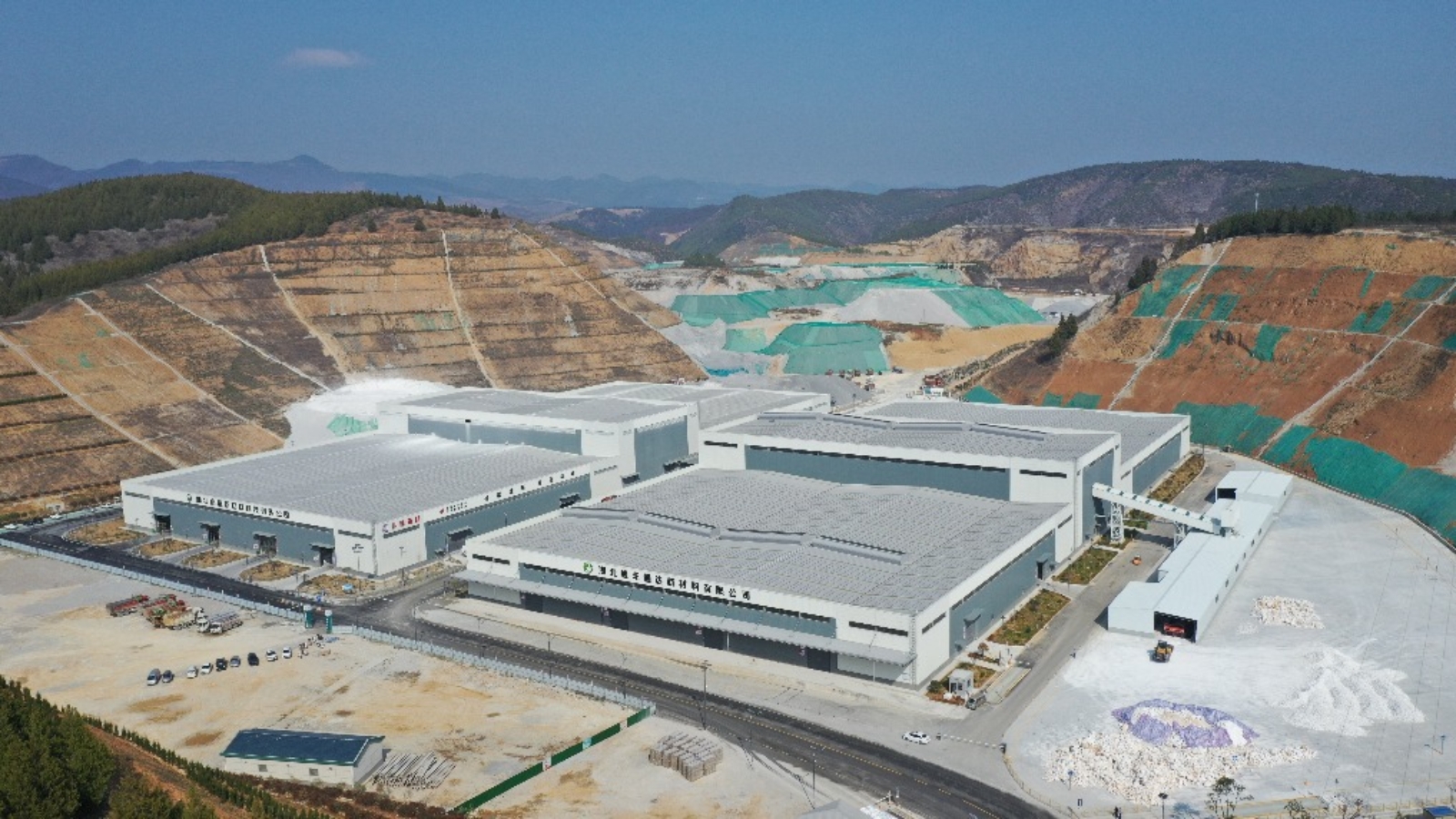
When we think of essential minerals, most people immediately connect the term to human nutrition. But in the industrial world, essential minerals like talc and calcium carbonate play a very different — yet equally critical — role. These minerals are the backbone of countless manufacturing processes, improving product quality, performance, and cost efficiency. Without them, many of the products we use every day would simply not exist.
What Are Essential Minerals in Industry?
In industrial terms, essential minerals are raw materials that are indispensable in manufacturing due to their physical and chemical properties. Unlike optional additives, these minerals perform functions that no synthetic substitute can fully replicate.
Two of the most widely used examples are talc and calcium carbonate:
- Talc: Known for its softness, lamellar structure, and hydrophobic surface, talc improves plastic stiffness, enhances paint smoothness, and provides excellent barrier properties in packaging.
- Calcium Carbonate: A versatile mineral used for its brightness, whiteness, and ability to improve mechanical strength while reducing production costs in plastics, paper, paints, and coatings.
Why Are They “Essential” for Manufacturing?
In the same way our bodies cannot function without key minerals, industries cannot maintain performance without these materials. Talc and calcium carbonate are considered “essential” because they offer unique combinations of performance and economic benefits:
- Performance enhancement: Talc improves thermal resistance in automotive parts and boosts dimensional stability in plastics. Calcium carbonate enhances brightness, smoothness, and printability in paper production.
- Cost efficiency: By replacing a portion of expensive resins or binders, these minerals reduce raw material costs while maintaining — or even improving — end product quality.
- Process optimization: Talc can improve extrusion flow in plastics manufacturing, while calcium carbonate enhances milling efficiency in paints and coatings.
Key Applications
1. Plastics Industry
Talc is a preferred filler for polypropylene (PP) in automotive bumpers and dashboards, improving rigidity and heat resistance. Calcium carbonate is widely used in PVC pipes, films, and sheets to increase strength and lower costs.
2. Paper and Packaging
In paper production, calcium carbonate improves brightness, opacity, and surface smoothness for high-quality printing. Talc helps control pitch and resin in pulp, leading to more efficient papermaking.
3. Paints and Coatings
Calcium carbonate enhances opacity, reduces binder consumption, and improves durability in decorative paints. Talc contributes to better weather resistance and a silky, smooth finish in coatings.
4. Rubber and Ceramics
Both talc and calcium carbonate are used to improve strength, dimensional stability, and processability in rubber products, while in ceramics they enhance whiteness and firing performance.
Sustainability and Responsible Sourcing
As demand grows, sustainability in mineral sourcing has become a priority. Responsible mining practices, advanced beneficiation technologies, and recycling initiatives are helping industries reduce their environmental footprint. For example, some manufacturers now recycle calcium carbonate from industrial waste or use talc from certified, low-impact mining operations.
The Bottom Line
Essential minerals in industry are not just additives — they are performance enhancers, cost optimizers, and sustainability enablers. Talc and calcium carbonate are prime examples of how natural resources, when responsibly sourced and intelligently applied, can transform products across plastics, paper, coatings, and more.
From the dashboard in your car to the paper you print on, these minerals quietly power the modern world. Understanding their role helps businesses innovate while maintaining efficiency and environmental responsibility.
Add a Comment