
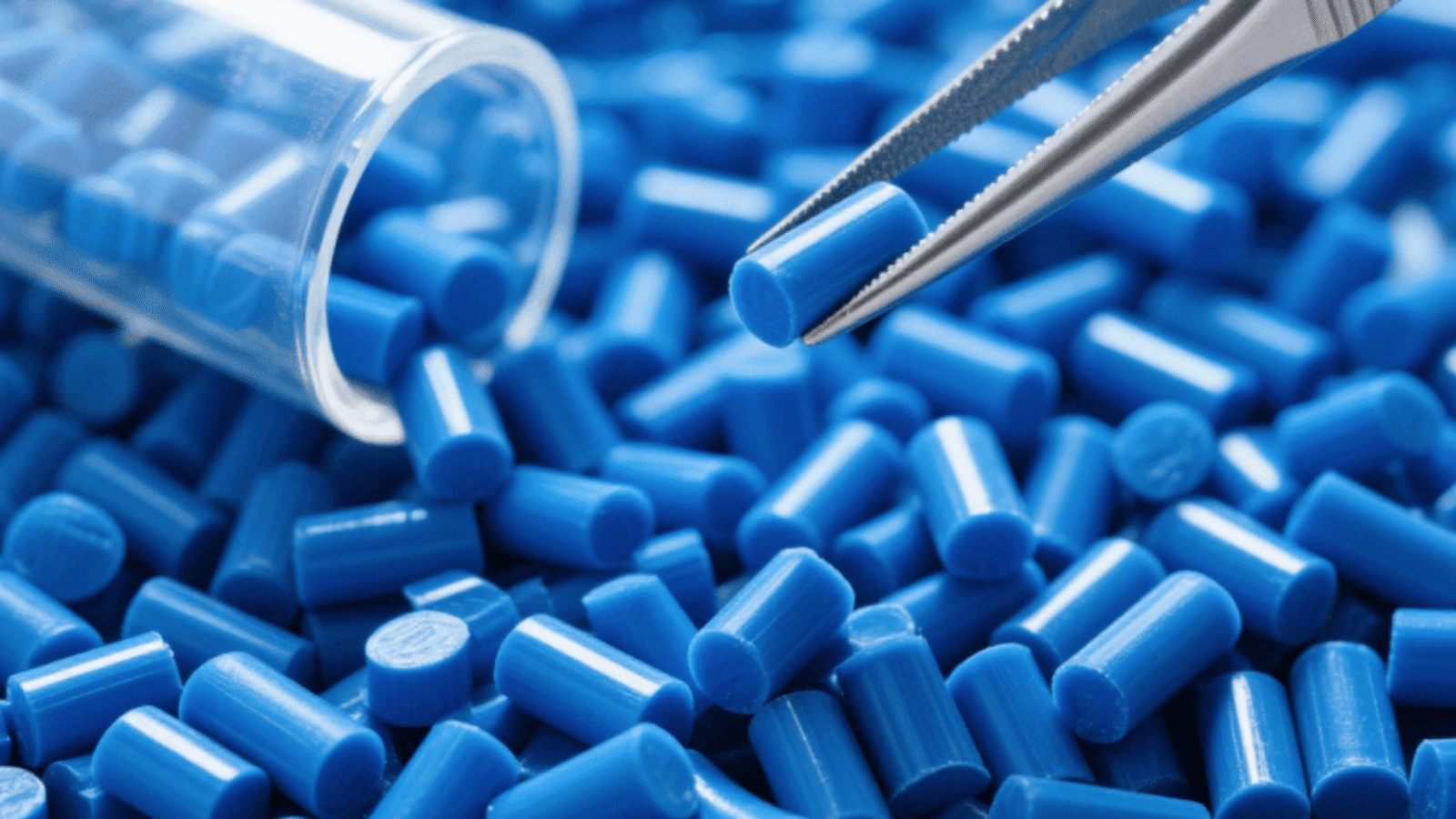
Polymer additives are chemical compounds added to polymers (plastics and rubber) to improve their processing, performance, or appearance. While polymers provide the basic structure of plastic materials, additives fine-tune their properties to meet specific application requirements. From improving strength and flexibility to enhancing color and UV resistance, polymer additives play a crucial role in modern material science.
Why Are Polymer Additives Used?
Pure polymers often lack the mechanical, thermal, or environmental stability needed for industrial and consumer use. Polymer additives are essential to make plastics more durable, processable, and functional. They can prevent degradation, reduce flammability, improve flexibility, and add color or texture.
In short, additives help manufacturers:
- Extend the lifespan of plastic products
- Reduce production costs
- Meet safety and regulatory standards
- Customize material properties for specific applications
Types of Polymer Additives
There are several types of polymer additives, each serving a unique function. Here are the most common categories:
1. Stabilizers
Stabilizers protect polymers from degradation caused by heat, light, or oxygen. There are three main types:
- Antioxidants – Prevent oxidation during processing and use
- UV Stabilizers – Protect plastic from sun damage and fading
- Heat Stabilizers – Used in PVC and other polymers to prevent decomposition during processing
2. Plasticizers
Plasticizers increase the flexibility and softness of rigid plastics. They are commonly used in PVC, making it suitable for products like cables, hoses, and synthetic leather. Plasticizers reduce the glass transition temperature, making materials easier to process and bend.
3. Fillers and Reinforcements
Fillers like calcium carbonate, talc, or clay are added to reduce cost and improve dimensional stability. Reinforcements such as glass fiber enhance strength and stiffness without significantly increasing weight.
4. Flame Retardants
Flame retardant additives slow down or prevent the spread of fire in plastic products. They are widely used in electronics, automotive parts, and building materials to meet fire safety regulations.
5. Colorants
Colorants include dyes and pigments that give plastics their final appearance. They can be tailored to match exact shades, enhance transparency, or provide opacity.
6. Lubricants and Processing Aids
These additives improve the flow and mold release of polymers during manufacturing. They reduce friction and prevent sticking in extrusion and injection molding processes.
7. Antistatic Agents
Antistatic additives prevent the buildup of static electricity on the surface of plastic products. They are especially useful in electronics packaging and automotive interiors.
Applications of Polymer Additives
Polymer additives are used across nearly every industry:
- Automotive – Improve durability, heat resistance, and fire safety
- Packaging – Enhance flexibility, transparency, and shelf life
- Construction – Boost weather resistance, strength, and fire retardancy
- Electronics – Provide thermal stability and antistatic properties
- Medical – Ensure biocompatibility, sterilization resistance, and flexibility
Sustainability and Innovation
Today’s polymer additives are not only about performance but also sustainability. Many manufacturers are developing eco-friendly, non-toxic, and biodegradable additives. These innovations support global efforts to reduce plastic waste and environmental impact.
Conclusion
Polymer additives are the unsung heroes behind the versatility and performance of plastic materials. By tailoring the physical, chemical, and aesthetic properties of polymers, these additives allow manufacturers to meet the ever-evolving demands of industry and consumers. As technology and environmental concerns progress, polymer additives will continue to play a vital role in shaping the future of materials.
Add a Comment